


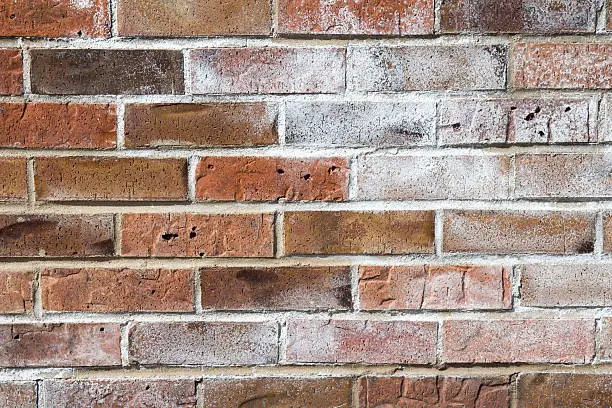
When you notice a white, chalky coating on a brick wall, chimney, or fireplace, it’s often a sign of efflorescence. While this powdery substance can look alarming, efflorescence on brick is typically not a sign of immediate damage. Instead, it’s usually a sign of moisture movement through masonry materials.
Knowing what efflorescence is on brick can help you recognize the signs early, address the underlying cause, and maintain the beauty and durability of your brickwork. In this guide, we’ll explain the common causes, safe cleaning methods, and practical ways to prevent future efflorescence problems on brick materials.
What Is Efflorescence on Brick?
If you’ve ever wondered what efflorescence is on brick, it is a white, chalky, often crystalline deposit that forms when moisture carries water-soluble minerals through brick, mortar, grout, or other masonry products. When the moisture reaches the surface of the brick and water evaporates, it leaves behind salt deposits.
These crystalline salt deposits are commonly made up of compounds such as calcium carbonate, calcium sulfate, and other soluble salts found naturally in cement, clay, sand, and surrounding soil. This type of salt efflorescence is generally cosmetic, but it can indicate moisture movement that deserves attention.
Since brick is a naturally porous building material, it can absorb water and allow minerals to migrate toward the surface. The resulting efflorescence on the surface can vary in intensity depending on moisture levels and environmental conditions.
What Does Efflorescence Look Like?
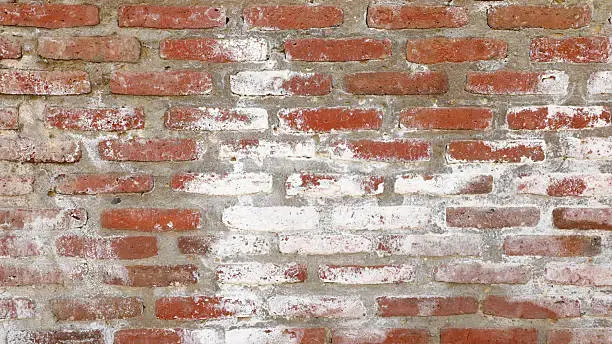
Efflorescence is usually easy to spot once you know what you’re looking for. It often appears as a white or light gray, chalky residue on the surface of brick or other masonry materials. Sometimes, it looks like a fine white powder that can be easily brushed away. Other times, it appears as white streaks or patches on the brick.
You’ll most commonly find efflorescence on exterior brick walls, chimneys, retaining walls, fireplaces, and masonry columns, especially in areas that are regularly exposed to moisture. Since it forms when water moves through masonry and leaves behind mineral deposits, it often shows up after periods of wet weather.
Many homeowners mistake efflorescence for mold, mildew, or plain dirt. The difference is that efflorescence is made up of mineral salts, not organic growth. Mold and mildew typically appear darker in color and may have a fuzzy or spotty appearance, while dirt tends to smear or wash away easily.
Efflorescence, on the other hand, is usually dry, powdery, and light in color. If it brushes off easily and leaves no staining behind, there’s a good chance you’re dealing with efflorescence rather than mold or mildew.
Why Does Efflorescence Form on Brick?
To understand what causes efflorescence, three conditions must be present – water soluble salts within the materials, moisture entering the system, and a pathway that allows the moisture and salts to the surface. When these factors combine, efflorescence may occur.
Moisture enters the brickwork, dissolves the soluble salts, and uses capillary action to carry them upward. As the moisture reaches the surface of the building and begins to evaporate, the minerals remain behind as visible efflorescence. Without moisture, efflorescence cannot occur. That is why controlling water intrusion is the most effective way to prevent efflorescence.
Common Sources of Moisture
Water can find its way into masonry in several different ways, and some sources are easier to spot than others. For example, repeated exposure to rain and snow can allow moisture to seep into brick, especially if there are cracks or areas that aren’t draining properly.
Poor drainage around the home can also increase the chance of efflorescence by allowing water to collect near foundations, retaining walls, or other masonry surfaces. Sometimes, the problem comes from faulty flashing around windows, roofs, or chimneys.
Leaking gutters can be another hidden source, constantly directing water onto nearby brick, mortar, and grout. Over time, the absorption of water allows minerals within the materials to dissolve and migrate toward the surface.
New construction can also play a role. Fresh brick, mortar, and grout often retain moisture from the building process. As the structure dries, that trapped water moves through the masonry, carrying dissolved salts with it. This is why efflorescence may occur on newly built walls even when there isn’t a major moisture problem.
No matter where the water comes from, it’s important to identify the source. Left unchecked, excess moisture may lead to efflorescence returning repeatedly and can eventually affect the long-term condition of your masonry.
Is Efflorescence a Sign of Brick Damage?
In most cases, efflorescence itself does not damage brick. However, persistent moisture exposure can create conditions that eventually affect the durability of masonry materials.
While brick efflorescence is often cosmetic, ongoing water intrusion can weaken mortar joints, contribute to deterioration, and create potential efflorescence problems that become recurring maintenance issues. Simply put, efflorescence may be harmless at first, but the moisture causing it should never be ignored.
When You Should Be Concerned
If efflorescence keeps coming back or appears alongside other signs of moisture damage, it may be time to take a closer look. One of the first warning signs to watch for is cracking in the mortar joints. When moisture repeatedly enters a masonry wall, it can gradually weaken the materials that hold the structure together.
You should also pay attention to spalling, which occurs when the face of a brick begins to flake, chip, or break away. This type of damage is often linked to ongoing moisture exposure and can worsen if the underlying cause isn’t addressed.
Persistent dampness is another red flag. If sections of a wall never seem to fully dry out, or if you’re noticing water stains and leaks inside your home, there may be a larger moisture issue at play. Repeated efflorescence after cleaning can also signal that water is continuously moving through the masonry and bringing salts back to the surface.
If you notice any combination of these problems, it’s a good idea to have the area evaluated by a professional. Catching moisture issues early can help prevent more extensive repairs and in some cases, avoid the need for costly masonry restoration work down the road.
How to Remove Efflorescence from Brick Safely
Fortunately, there are several safe ways to remove efflorescence without damaging the masonry surface. The goal is not only to clean efflorescence but also to address the moisture source behind it. Effective efflorescence removal starts with gentle methods and progresses only when necessary.
Start with the Least Aggressive Method
When dealing with efflorescence, it’s always best to start with the gentlest cleaning method first. In many cases, the deposits can be removed without resorting to harsh chemicals or aggressive cleaning techniques. Try these steps in order.
- Dry brush the surface – A soft-bristle or stiff brush is often enough to remove loose deposits from the brick.
- Rinse with clean water if needed – This can help wash away remaining residue, but only if the wall has a chance to dry completely afterward.
- Use a masonry-safe cleaner for stubborn buildup – Products specifically designed for masonry can help remove deposits without damaging the brick or mortar.
If these methods don’t solve the problem, stronger cleaning solutions may be an option. However, harsh acids should only be used according to the manufacturer’s recommendations or by a trained professional. When used incorrectly, these products can damage brick, mortar, and other masonry materials, potentially creating more problems than they solve.
Cleaning Mistakes to Avoid
It’s easy to assume that a more aggressive cleaning method will deliver faster results. In reality, being too harsh can often do more harm than good. One common mistake is using wire brushes to scrub the affected area. While they may seem effective, wire brushes can damage the surface of the brick, leaving scratches and making the material more vulnerable to future moisture issues.
High-pressure washing can also create problems by forcing water deeper into the masonry, which may contribute to recurring efflorescence rather than solving it. Another mistake is reaching for household cleaners that aren’t designed for masonry surfaces.
Some products can discolor brick, damage mortar, or leave behind residues that create additional maintenance concerns. It’s always best to use cleaners specifically formulated for masonry materials.
Timing matters as well. Cleaning before the wall has fully dried can make the problem harder to address because moisture may still be carrying salts to the surface. In some cases, this can make the deposits more difficult to remove and increase the chances of seeing them return shortly after cleaning.
A careful, patient approach is usually the best way to deal with efflorescence while protecting the long-term appearance and performance of your brickwork.
Preventing Efflorescence Before It Starts
The best way to combat efflorescence is through moisture control. Since water is required for efflorescence to develop, prevention focuses on limiting water infiltration. Practical ways to prevent efflorescence include the following:
- Improving site drainage
- Maintaining gutters and downspouts
- Installing proper flashing
- Sealing openings where water can enter
- Using quality masonry materials
- Ensuring proper installation of mortar and grout
These steps help prevent moisture-related issues and reduce the chance of future efflorescence. It can also prevent salt accumulation from becoming a recurring seasonal problem.
Does New Brick Experience Efflorescence More Often?
Yes. New construction often experiences primary efflorescence, especially during the beginning of a building’s construction. Fresh brick, Portland cement, mortar, and grout contain moisture that must dry out naturally.
As excess moisture leaves the structure, efflorescence can appear on the surface of the building. This process may begin within the first 72 hours after construction and can continue to occur over time until moisture levels stabilize.
In some cases, secondary efflorescence develops later due to external water infiltration. Fortunately, most new-construction efflorescence gradually fades as trapped moisture dissipates.
Choosing Quality Brick Materials Helps Reduce Future Problems
Not all brick products are made the same. High-quality materials are typically more consistent in their composition and performance, which can help limit some of the conditions that contribute to moisture issues. These materials are also built to withstand years of exposure to the elements, helping your masonry maintain its appearance and durability over time.
Of course, quality materials are only part of the equation. Even the best brick can run into problems if it isn’t installed properly. Using the right mortar, providing good drainage, and installing flashing properly can help prevent water from getting trapped inside the wall.
At the end of the day, preventing moisture problems is about combining quality materials with proper installation techniques. When both are done right, you’ll have a masonry system that’s better equipped to handle the elements and less likely to experience issues like recurring efflorescence in the future.
Final Thoughts on Efflorescence and Long-Term Brick Care
While efflorescence can be frustrating to discover, it’s usually a sign that moisture is moving through your masonry rather than a sign of damaged brick. Understanding what causes efflorescence and how to remove efflorescence from brick can help you protect both the appearance and longevity of your brick and masonry.
However, the most effective long-term solution is moisture control. While cleaning can remove the visible deposits, addressing the source of the water is what helps keep efflorescence from returning. Improving drainage, repairing leaks, and maintaining your masonry are some of the best ways to prevent future problems.
Whether you’re planning a new project or upgrading an existing property, Darden Building Materials offers high-quality brick, masonry products, and expert support to help you achieve the best results. Contact Darden Building Materials today to find the right materials for your next project and reduce future moisture-related concerns before they start.