


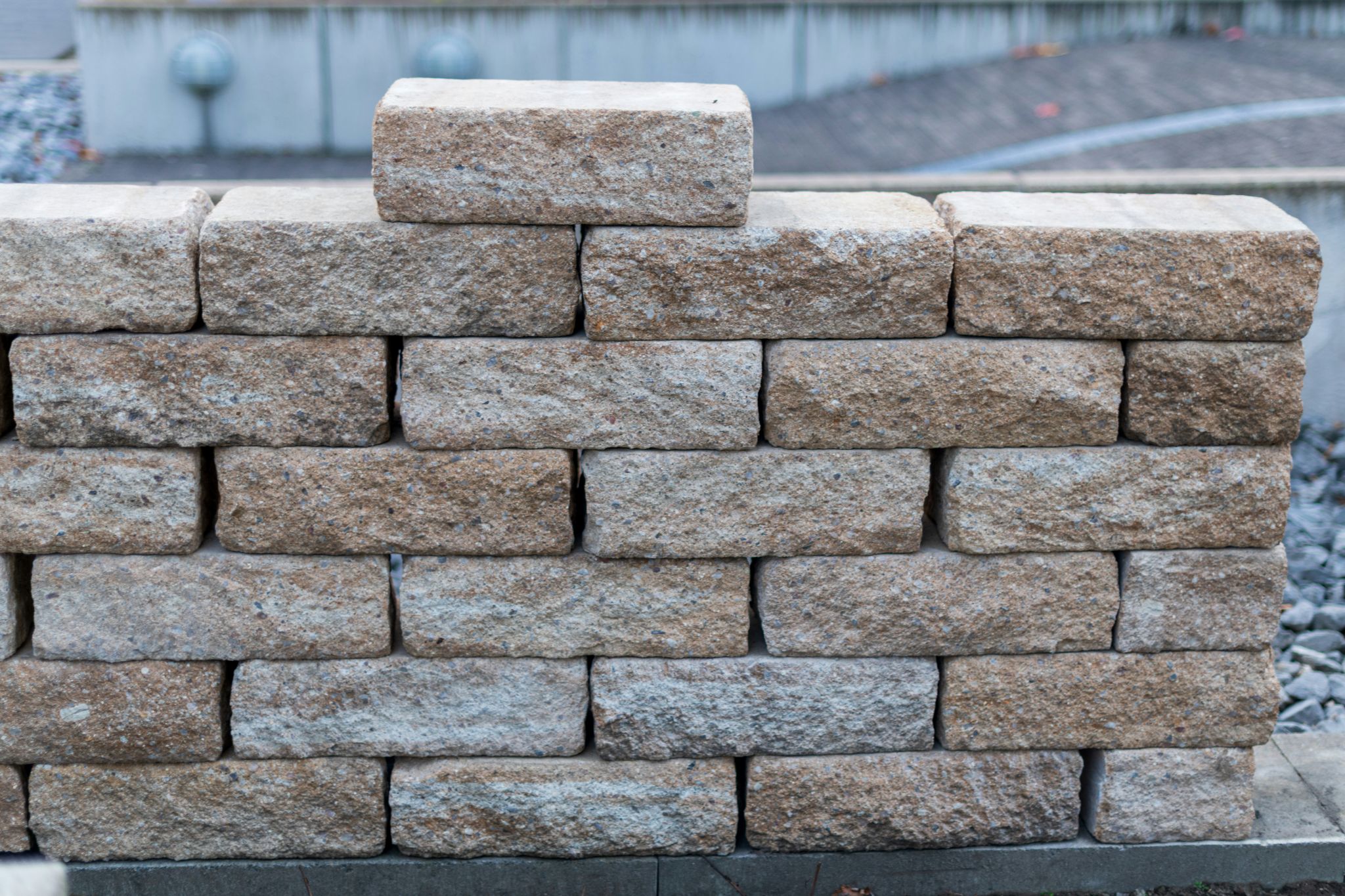
Some stones crack under pressure, others last decades. Learn what works, what fails, and how to choose the best stone for hardscape and retaining walls.
Choosing the best stone for hardscaping or retaining walls can feel overwhelming at first, especially with so many options available. Retaining walls help manage slopes, prevent erosion, and create usable land, while hardscaping brings structure through pathways, patios, borders, and garden features.
The stone you choose plays a major role in all of this. It affects how strong and stable your build will be, how much upkeep it will need, and how well it blends with the rest of your landscape over time. One important thing to keep in mind is that not all stones are suitable for every purpose. Some are built for heavy structural loads, while others are better suited for decorative finishes or light-use areas.
In this guide, you’ll get a clear breakdown of the most common stone products, what they’re best used for, and how to match the right material to your specific project so you can build something both durable and visually appealing.
Why Stone Selection Matters for Retaining Walls and Hardscapes
Many people focus primarily on appearance when planning a retaining wall or hardscape project. Different stone retaining wall materials affect a structure’s ability to withstand weather, support weight, and maintain its appearance over time. The wrong stone can lead to premature wear, increased maintenance, or even structural issues.
High-quality natural stone products can improve both the beauty and longevity of your landscape while providing the strength needed for long-term performance. For any homeowner, balancing beauty, function, and budget is the key to creating a successful retaining wall or hardscape design.
Key Factors That Affect Performance
Several factors affect the performance, longevity, and structural integrity of retaining walls and hardscape features. Understanding these considerations helps ensure that installations remain functional, safe, and visually appealing for many years.
- Strength and Durability
The strength and durability of construction materials determine how well a retaining wall or hardscape element can withstand heavy loads, soil pressure, weather exposure, and daily wear. High-quality materials are less likely to crack, shift, or deteriorate over time, resulting in a longer service life and reduced repair costs.
- Drainage Requirements
Proper drainage is one of the most critical aspects of retaining wall performance. Water that accumulates behind a wall creates hydrostatic pressure, which can lead to bulging, cracking, or structural failure. Effective drainage systems such as gravel backfill, drainage pipes, and weep holes help direct water away from the structure and protect its stability.
- Freeze-Thaw Resistance
In regions that experience seasonal freezing temperatures, materials must be able to withstand repeated freeze-thaw cycles. When water enters small pores or cracks and freezes, it expands and may cause surface damage and structural weakening. Materials with strong freeze-thaw resistance are better equipped to maintain their integrity in challenging climates.
- Weight and Stability
The weight of a retaining wall system contributes significantly to its ability to resist soil pressure and remain stable over time. Heavier materials often provide greater resistance to movement, while properly engineered designs ensure that walls can support the loads placed upon them. Stability is essential for preventing settling, shifting, and potential collapse.
- Maintenance Needs
Different materials and construction methods require varying levels of maintenance. Some retaining walls and hardscape features may need periodic cleaning, sealing, joint repairs, or vegetation control to maintain their appearance and performance. Choosing materials with lower maintenance requirements can reduce long-term ownership costs while helping preserve structural integrity.
By selecting durable materials, incorporating effective drainage, accounting for environmental conditions, ensuring adequate stability, and following proper maintenance practices, you can maximize the performance and longevity of your outdoor structures.
Understanding Different Types of Stone Retaining Wall Materials
Common stone retaining wall materials include natural options like granite, limestone, sandstone, and fieldstone, as well as manufactured or cut stone products designed for uniform sizing and easier installation. Each type varies in texture, color, strength, and cost, giving different visual and structural outcomes.
Every option offers distinct benefits depending on the project requirements such as durability for heavy loads, aesthetic appeal for landscape design, or ease of installation for tighter budgets and timelines.
Limestone
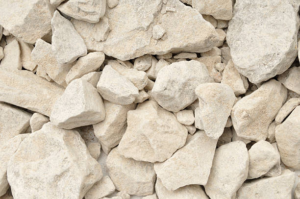
Limestone remains one of the most popular choices in Texas landscaping. Its soft, natural appearance blends seamlessly into many types of landscape designs. Available in various colors and finishes, limestone works well for both traditional and contemporary projects.
It can be used for a retaining wall, decorative veneer, garden borders, and other hardscape features. Its versatility makes it a favorite among property owners looking for a clean, timeless look.
Sandstone
Sandstone is valued for its distinctive texture and wide range of color variations. From warm earth tones to richer hues, sandstone adds visual interest to any outdoor space. Due to its decorative appeal, sandstone is often used in pathways, garden accents, and other hardscape elements. Its unique texture can create a more natural and inviting feel within the overall landscape.
Granite
Granite is widely considered one of the strongest and most long-lasting options available. When maximum durability is a priority, granite is often an excellent choice. Granite performs exceptionally well in high-traffic areas and demanding applications. It requires relatively little maintenance and retains its appearance for many years. For larger retaining wall projects or heavily used hardscapes, granite offers outstanding value.
Fieldstone
Fieldstone is known for its naturally weathered, rustic appearance. Its irregular shapes create a charming, organic look that blends beautifully with natural surroundings. This stone is frequently used for retaining walls, decorative stone wall features, and naturalistic landscape designs. Homeowners seeking a more traditional or countryside aesthetic often gravitate toward fieldstone.
Flagstone
Flagstone is one of the most versatile materials used in hardscaping. Its flat shape makes it ideal for surfaces that require comfortable walking and gathering areas. Flagstone is commonly installed in a patio, pathway, garden feature, or seating area. Its natural beauty and practical design make it a popular choice for enhancing an outdoor space while maintaining visual appeal.
What Is the Best Stone for Hardscaping?
The best choice depends on how the material will be used, local climate conditions, budget considerations, and personal design preferences.
Best Stone for Patios
For patios, stones must withstand foot traffic, weather exposure, and regular use. Flagstone and granite are often preferred because of their strength and attractive appearance. The best option balances comfort, durability, and visual appeal while complementing the surrounding landscape.
Best Stone for Walkways
Walkways require materials that provide slip resistance, stability, and attractive design. Stones with a naturally textured surface can improve traction and safety. Appearance also matters as walkways often connect various features throughout the landscape and contribute significantly to curb appeal.
Best Stone for Outdoor Living Areas
Outdoor kitchens, fire pits, seating zones, and entertainment spaces require materials that can handle heavy use and changing weather conditions. Granite, limestone, and high-quality natural stone products are frequently chosen because these options offer a combination of strength, visual appeal, and low maintenance.
In some projects, engineered systems that interlock with surrounding features may also improve overall functionality.
How Climate Affects Stone Performance
Climate has a big impact on how well stone holds up over time, so it’s important to match materials to your local weather before starting a project. Heat, moisture, and freeze-thaw cycles affect performance in different ways.
In hot climates, constant sun exposure can cause weaker stones to fade, dry out, or crack over time. In wet or humid conditions, excess moisture can lead to staining, erosion, or movement if the stone absorbs too much water or drainage isn’t handled properly.
In colder regions, freeze-thaw cycles are especially damaging as water trapped in small cracks expands when frozen, gradually breaking the stone down. Choosing the right stone for your climate helps ensure your retaining walls and hardscape features stay strong, stable, and beautiful for years.
Choosing Stone for Texas Landscapes
With long, hot summers, intense sun exposure, and occasional severe weather, it’s important to choose materials that can handle the state’s demanding climate. The right stone can keep a landscape looking great and functioning properly for decades with minimal upkeep. Key factors to consider include the following:
- Heat Resistance – Texas summers can bring extreme temperatures and prolonged sun exposure. Stones with good heat resistance are less likely to crack, weaken, or deteriorate, making them a dependable choice for outdoor applications such as patios, walkways, and retaining walls.
- Durability – Outdoor stone surfaces must withstand weather, foot traffic, and natural wear over time. Durable stone materials resist chipping, erosion, and structural damage, helping hardscape features maintain their strength and appearance for years.
- Color Stability – Constant exposure to UV rays can cause some materials to fade. Stones with strong color stability retain their natural appearance despite years of sunlight, helping landscapes maintain their visual appeal and reducing the need for replacement.
By prioritizing these qualities, you can choose stone that not only complements your landscape design but also performs well in the challenging Texas climate.
Common Mistakes to Avoid When Selecting Stone
Choosing stone for a retaining wall or hardscape project might seem simple at first, but a few common missteps can lead to expensive problems later on. The good news is that most of these issues can be avoided with a bit of planning and the right information. Avoid the following mistakes when choosing stone for your project:
- Choosing based only on appearance – It’s easy to pick stone just because it looks good, but appearance alone doesn’t guarantee performance. A stone that looks great in a showroom may not hold up well outdoors if it lacks strength or durability.
- Ignoring drainage needs – Poor drainage is one of the biggest reasons why retaining walls and hardscape features fail. Without proper water flow, pressure can build up behind structures, leading to cracking, shifting, or collapse over time.
- Selecting stone not suited for the climate – Using materials that can’t handle local heat, moisture, or seasonal changes can lead to faster wear and reduced lifespan.
- Underestimating maintenance requirements – Some stones need more care than others, including sealing, cleaning, or repairs. If maintenance needs are overlooked, the material may degrade faster than expected.
Taking the time to plan properly and choose materials that fit both the project and the environment helps prevent these issues and leads to a stronger, longer-lasting result.
Working with a Trusted Stone Supplier in Texas
Working with an experienced stone supplier in Texas can make the selection process much easier. A knowledgeable supplier understands how different materials perform in local conditions and can recommend the best options for both retaining walls and hardscape projects.
One of the biggest advantages is expert guidance. Instead of guessing which stone will work best, you can get advice based on durability, climate suitability, and long-term performance. This helps avoid costly mistakes and ensures the project is built with the right materials from the start.
Another important benefit is the ability to view materials in person. Seeing stone samples up close allows you to compare texture, color variation, and quality more accurately than looking at photos alone. This also helps you understand the differences between products that may look similar but perform differently in real-world conditions.
By working with a trusted supplier, you gain access to better material choices, professional insight, and greater confidence in the final result of your landscaping project.
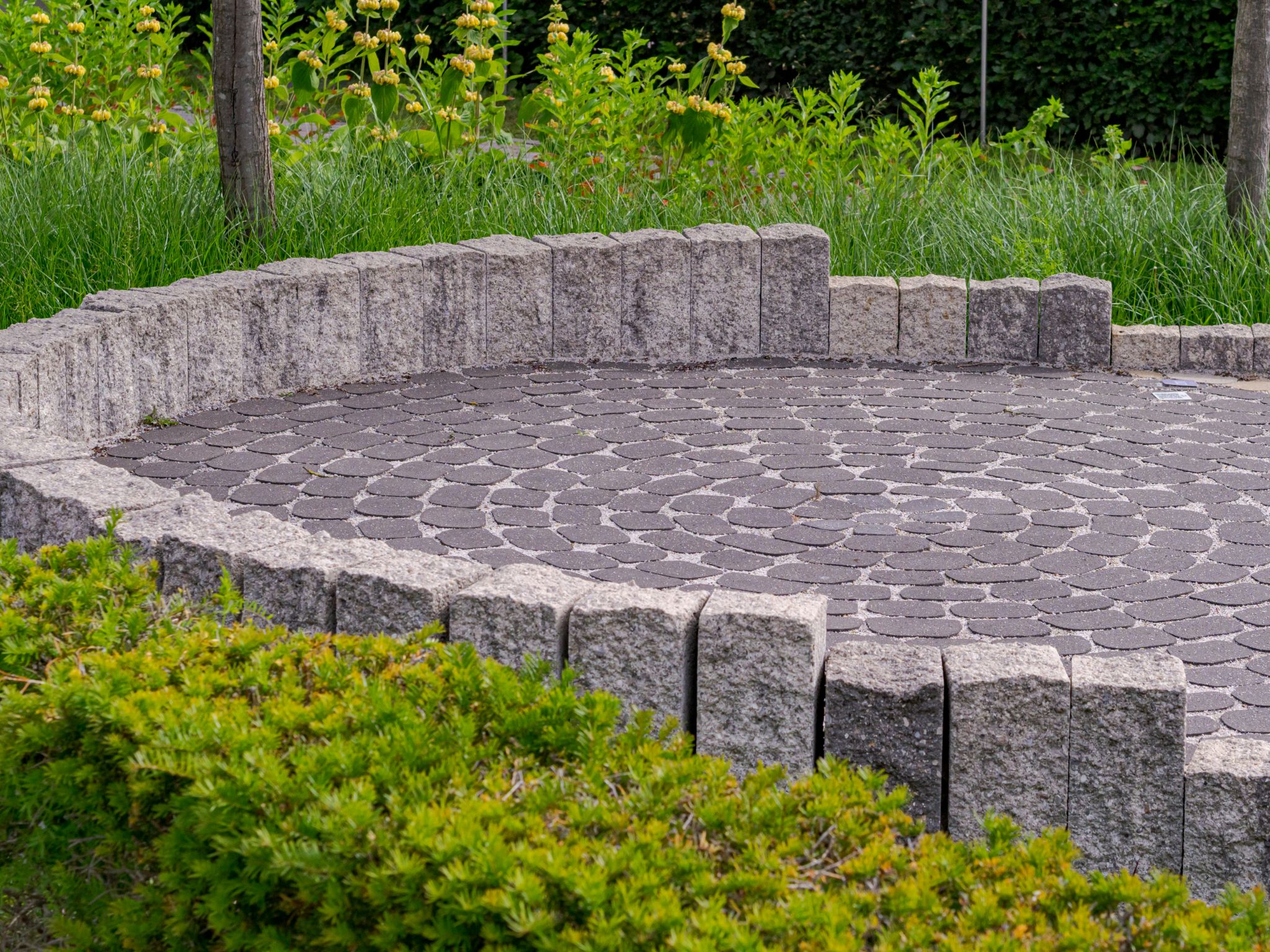
Finding the Best Stone for Your Retaining Wall and Hardscape Project
Choosing the best stone for hardscaping or selecting among various stone retaining wall materials requires careful consideration of your goals, climate, maintenance expectations, and design preferences.
The ideal retaining wall material balances appearance, strength, drainage performance, and long-term durability. Whether you’re drawn to the rustic charm of fieldstone, the versatility of limestone, or the exceptional strength of granite, each option offers unique benefits for your landscape.
Before you start your next project, take time to explore your options and get expert advice. At Darden Building Materials, you’ll find high-quality stone products and a knowledgeable team ready to help you build a beautiful, functional outdoor space that lasts for years.
Contact Darden Building Materials today to explore premium stone options for your next retaining wall or hardscape installation.