



Building a chimney in Texas? Discover the process, costs, design choices, and expert tips for a safer and more efficient fireplace system.
A chimney plays a crucial role in the safety, efficiency, and performance of your fireplace, helping smoke, heat, and combustion gases exit your home safely. While many homeowners focus on selecting the perfect fireplace design, the chimney installation process deserves equal attention.
Whether you’re building a new home or adding a new chimney to an existing property, understanding what goes into professional chimney installation Texas projects can help you make an informed decision. From planning and material selection to construction and final inspection, every step contributes to a safe, durable, and code-compliant system that performs reliably for years to come.
Before the Project Begins: Planning Your Chimney Installation
Every successful chimney installation starts with careful planning. Before construction begins, a homeowner should evaluate several important factors, including the type of fireplace, home layout, budget, and desired appearance.
Understanding how to install a chimney begins with determining where the chimney will be located and how it will connect to the heating appliance. Proper planning ensures the chimney structure functions safely and efficiently while meeting local building requirements.
A well-planned project also helps reduce future expenses related to chimney repair, chimney maintenance, and unexpected modifications.
Factors That Influence Chimney Design
Several factors play a role in determining the design, placement, and overall performance of a chimney. Taking these elements into account helps ensure the system functions efficiently while complementing the home’s structure and appearance.
- Type of fireplace or heating appliance
Different heating appliances produce varying amounts of heat, smoke, and exhaust gases. The chimney must be designed to match the specific unit it serves to ensure safe and efficient operation.
- Roof pitch and structural layout
The slope of the roof and the home’s structural design can influence where and how the chimney is installed. These factors also affect accessibility, support requirements, and overall construction complexity.
- Home architecture and exterior aesthetics
A chimney should complement the style and appearance of the home while maintaining its functional purpose. Material choices, shape, and placement all contribute to a cohesive exterior design.
- Required ventilation and airflow
Proper airflow is essential for maintaining an effective draft and safely removing smoke from the home. Poor ventilation design can lead to performance issues and reduced efficiency.
- Local building codes and safety regulations
Every chimney installation must meet applicable local codes and safety standards. Compliance helps ensure the system operates safely and passes required inspections.
- Desired chimney height for optimal draft
Chimney height directly affects draft performance and the ability to vent smoke efficiently. The right height helps improve airflow while reducing the risk of smoke entering the living space.
Whether serving wood burning units or gas fireplaces, the design must support proper ventilation and efficient smoke removal through the chimney flue. A quality design also makes future cleaning and inspection procedures easier.
Choosing the Right Chimney System for Your Home
Not all chimney systems are created equal. The right choice depends largely on your home’s design, heating appliance, and overall aesthetic preferences. A traditional masonry chimney may be the perfect fit for a classic wood-burning fireplace, while a prefabricated metal chimney system often works better for modern homes, inserts, or high-efficiency stoves.
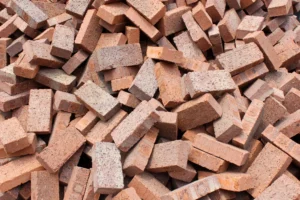
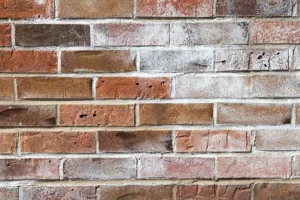
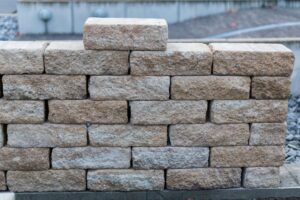
Factors such as available space, installation requirements, and local building codes can also influence which system is most suitable. Material selection plays a major role in both performance and appearance. Brick and stone chimneys offer a timeless look and exceptional longevity, but typically require more maintenance over time.
Stainless steel chimney systems, on the other hand, provide excellent durability, resist corrosion, and are generally easier to maintain. The material you choose will affect not only how your chimney complements your home’s exterior, but also how well it withstands weather, heat, and everyday wear.
By carefully matching the chimney system and materials to your home’s needs, you can achieve a balance of safety, efficiency, and visual appeal while minimizing long-term maintenance costs.
Traditional Masonry Chimneys vs. Modern Chimney Systems
Traditional masonry chimneys remain popular because of their durability and classic appearance. It complements many architectural styles and provides excellent longevity when properly maintained.
Modern chimney systems, on the other hand, often utilize insulated metal components and advanced chimney lining technology. These systems are typically lighter, easier to install, and well-suited for contemporary homes. Each option offers advantages.
Masonry Chimneys
- Classic appearance
Masonry chimneys offer a timeless look that complements a wide range of architectural styles. The traditional brick or stone construction can add character and curb appeal to a home.
- Exceptional durability
When built correctly and properly maintained, masonry chimneys can last for decades. The solid construction allows masonry chimneys to withstand exposure to the elements and frequent use over time.
- Ideal for larger custom homes
Masonry chimneys are often selected for custom-built homes where aesthetics and long-term value are priorities. Its substantial presence can serve as a striking architectural feature.
Modern Chimney Systems
- Faster installation
Modern chimney systems are typically manufactured in sections, allowing for quicker installation compared to traditional masonry construction. This can help reduce labor costs and minimize project timelines.
- Lower structural requirements
Since these systems are lighter in weight, modern chimney systems generally require less structural support. Thus, modern chimney systems are a practical option for a variety of home designs and renovation projects.
- Often more affordable
Modern chimney systems can provide a cost-effective alternative to masonry construction. Lower material and labor requirements often contribute to overall savings.
- Lightweight construction places less stress on the home’s structure
The reduced weight can be especially beneficial in remodels or additions where structural limitations may exist. It also offers greater flexibility when determining chimney placement.
- Commonly used for new construction projects, remodels, and modern heating appliances
These systems are designed to work efficiently with many of today’s fireplaces, stoves, and heating units. This versatility makes modern chimney systems a popular choice for both residential and commercial applications.
Choosing the best solution depends on your home’s needs and your long-term expectations. Traditional masonry chimneys are often preferred for their aesthetic appeal and long-term durability, while modern chimney systems are valued for their efficiency, convenience, and cost-effectiveness.
What Happens During a Professional Chimney Installation?
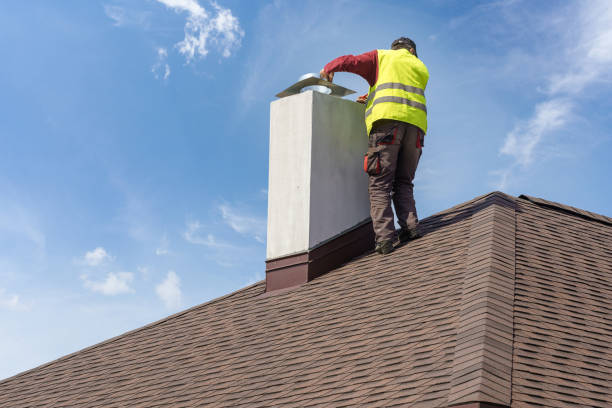
If you’ve never had a chimney installed before, it’s natural to wonder what the process involves. While every project is a little different, professional chimney installation typically follows a series of carefully planned steps designed to ensure safety, efficiency, and long-term performance. The installation process generally includes the following:
- Site assessment and preparation – Installers evaluate the home’s layout, roof structure, and ventilation requirements before preparing the work area for safe and efficient construction.
- Chimney construction and installation – The chimney structure is built or assembled according to the project’s specifications and local building codes.
- Flue and venting system installation – Professionals install and properly size the flue components to ensure safe ventilation and optimal airflow.
- Waterproofing measures – Flashing, chimney caps, and protective sealants are added to help prevent moisture intrusion and water-related damage.
- Finishing details – Decorative brick, stone, or other exterior finishes may be applied to enhance the chimney’s appearance.
- Final inspection and testing – The completed system is inspected to verify proper function, structural integrity, and compliance with safety standards.
On installation day, homeowners can expect experienced professionals to handle each stage of the project, maintain a safe work environment, and keep them informed throughout the process. Working with qualified installers helps ensure the chimney is built correctly and ready to provide years of reliable performance.
How Long Will the Installation Take and What Will It Cost?
One of the most common questions homeowners ask is how long the project will take and how much it will cost. The answer depends on several factors, including the following:
- Type of chimney – Different chimney styles require different construction methods, materials, and levels of expertise. For example, masonry chimneys often take longer to build than prefabricated systems due to their labor-intensive nature.
- Home size and complexity – Larger homes or properties with complex architectural designs may require additional planning and installation time. Unique layouts can also make access and construction more challenging.
- Roofing conditions – The condition, slope, and material of the roof can significantly impact the installation process. Repairs or modifications may be necessary to ensure proper chimney integration and long-term performance.
- Material selection – The materials chosen for the chimney affect both the project timeline and overall budget. Premium materials typically offer greater durability and aesthetic appeal but may require additional installation considerations.
- Custom finishes – Decorative elements, specialty masonry work, and custom design features can increase both labor requirements and project duration. These finishes are often tailored to complement the home’s architectural style.
- Permit requirements – Local building codes and permit approvals can influence when construction can begin and how quickly it progresses. Inspection schedules may also affect the overall timeline.
A simple installation may take several days, while larger custom projects can take multiple weeks. Costs vary widely, but investing in quality materials and skilled labor often reduces future expenses associated with chimney repair and premature wear. Working with licensed and insured professionals helps ensure the project is completed correctly the first time.
Features Worth Considering During Installation
Modern installations offer several upgrades that can improve performance and appearance. Popular additions include the following:
- Chimney cap systems that prevent moisture intrusion and animal entry
These systems act as a protective barrier against rain, snow, leaves, and nesting animals. By limiting exposure to the elements, chimney caps can help extend the lifespan of the chimney structure.
- Premium liner materials for enhanced durability
High-quality liners provide improved resistance to heat, corrosion, and moisture-related damage. It also helps maintain proper venting efficiency and support safer fireplace operation.
- Decorative brick or stone finishes
These finishes enhance the visual appeal of the chimney and can be customized to complement the home’s exterior design. It also adds an extra layer of protection to the chimney structure.
- Improved damper systems
Modern dampers provide a tighter seal when the fireplace is not in use, helping reduce energy loss. They can also improve draft control and overall fireplace performance.
- Enhanced waterproofing solutions
Advanced waterproofing treatments help prevent water penetration that can lead to cracking, deterioration, and structural damage. These solutions are especially beneficial in regions that experience frequent rain, snow, or freeze-thaw cycles.
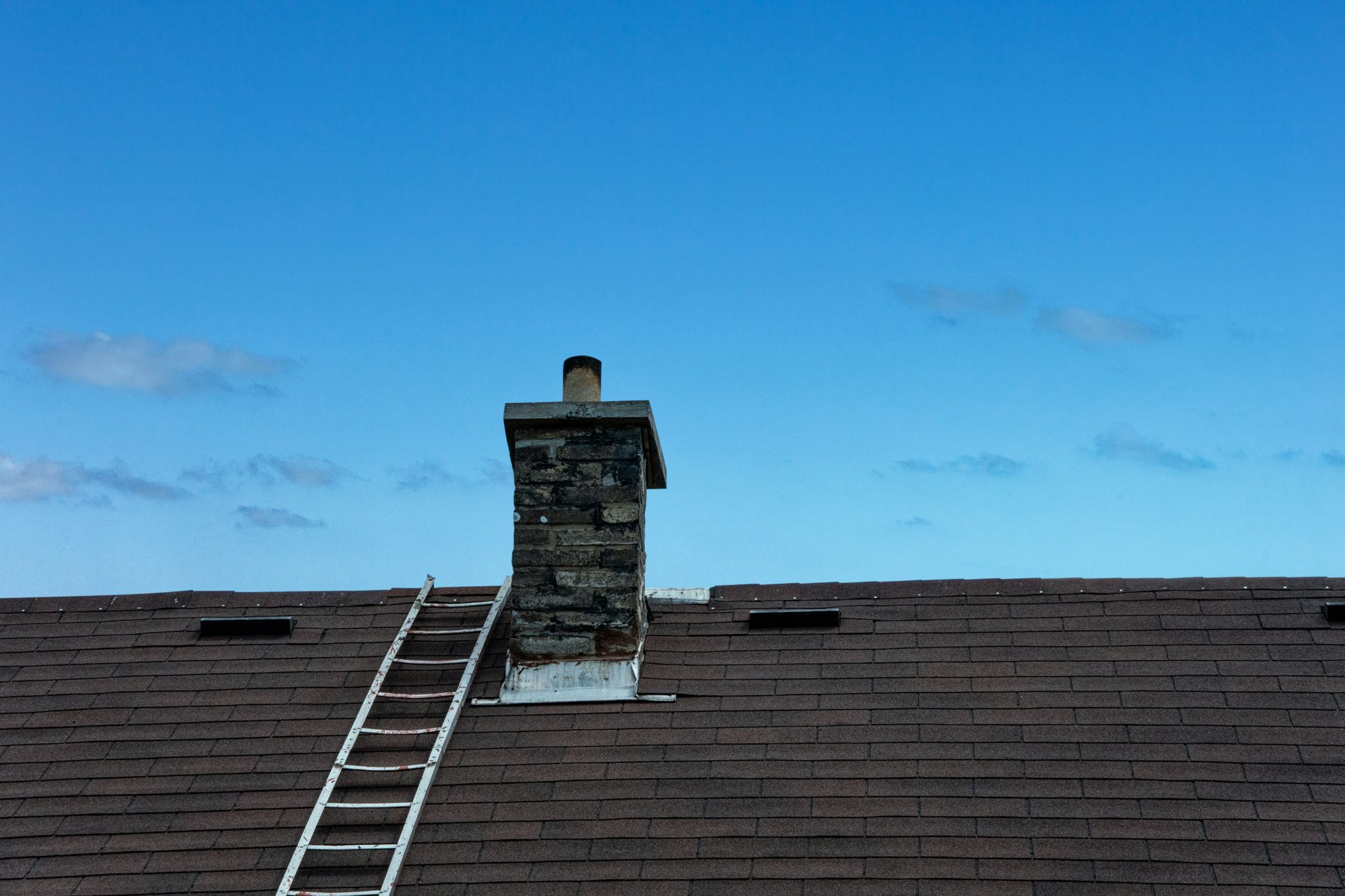
A properly installed chimney cap can help prevent water damage and reduce the risk of debris-related blockage issues. These upgrades also contribute to a well-maintained chimney and can simplify future cleanings and maintenance.
Why Working With Experienced Chimney Experts Matters
A chimney is not an area where shortcuts pay off. Working with experienced chimney experts helps avoid costly mistakes while ensuring compliance with local building requirements.
Qualified professionals understand every aspect of how to install a chimney, from structural considerations to airflow calculations. They can also identify concerns that may impact long-term performance, including potential blockage, draft problems, and moisture issues.
Many reputable companies recommend periodic evaluations by a certified chimney technician and routine care from a professional sweep or chimney cleaner. Routine maintenance often includes chimney cleaning services, thorough cleaning of soot and debris, and checking for creosote or creosote buildup.
Inspecting your chimney on a regular basis helps identify issues before they become expensive repairs. Professional expertise provides lasting value, improved performance, and greater peace of mind.
Final Thoughts on Professional Chimney Installation in Texas
Investing in professional chimney installation services is one of the smartest decisions that you can make when adding a fireplace or upgrading a venting system. From careful planning and material selection to construction and final inspection, every phase contributes to a safer and more efficient chimney.
A properly installed fireplace and chimney system supports better performance, improved air quality, and long-term home value. It also makes future maintenance tasks, including chimney sweep visits, chimney cleaning, and annual evaluations far easier.
Whether you’re planning fireplace repair and installation, looking to reline an aging system, or seeking expert chimney services, partnering with experienced professionals is essential. A high-quality chimney and fireplace system will serve your home reliably for years while helping protect against soot, creosote, and structural concerns.
At Darden Building Materials, we provide high-quality materials for professional chimney construction and fireplace projects throughout Texas. If you’re planning a new installation or need guidance on selecting the right products, our team is here to help.
Contact Darden Building Materials today to explore premium solutions for your next chimney project and get expert recommendations tailored to your home.