


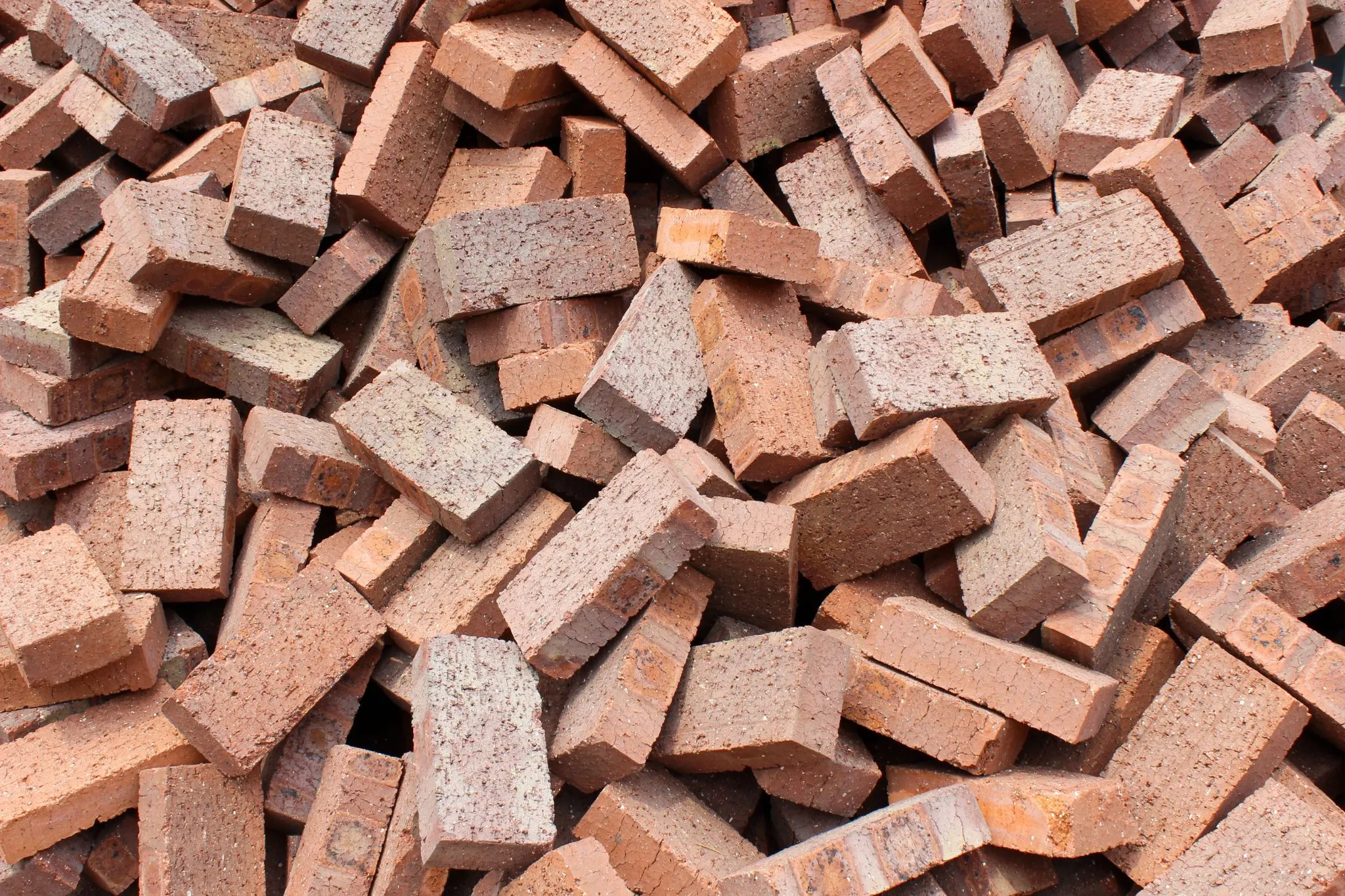
Texas weather can be tough on a home’s exterior. Exterior materials must withstand a wide range of conditions, from scorching summer temperatures and intense UV exposure to heavy rainfall, humidity, and seasonal temperature fluctuations.
Whether you’re building a new brick home or updating an existing property, the right brick can improve energy efficiency, reduce maintenance, and enhance curb appeal. In this guide, we’ll explore the best brick for Texas climate, discuss heat-resistant bricks for homes, and explain what to look for when selecting bricks for high-humidity areas.
Why Texas Climate Demands the Right Brick
Not all construction materials perform equally in Texas. Long periods of sun exposure, high humidity, sudden storms, and fluctuating temperatures can affect the appearance and durability of exterior surfaces over time. Choosing the best brick for the Texas climate goes far beyond aesthetics.
The right brick helps protect exterior walls, improves moisture management, and ensures your home can withstand the elements for decades. A high-quality masonry system also reduces the risk of premature deterioration that can occur when lower-grade materials are exposed to harsh weather.
Environmental Factors That Affect Brick Performance
Brick performance is heavily influenced by the environment, especially in regions that experience extreme weather conditions. During the summer, high temperatures cause bricks to expand slightly, and repeated heating and cooling over time can lead to small cracks or surface wear.
High humidity levels and frequent heavy rainfall also affect masonry by allowing moisture to seep into the bricks and mortar. When bricks absorb too much moisture, they become more vulnerable to staining, mold growth, and gradual deterioration. Prolonged UV exposure is another factor that can impact brickwork. Constant sunlight may cause surface fading and, in some cases, weaken protective finishes applied to masonry.
When combined with moisture and temperature fluctuations, these environmental conditions can shorten the lifespan of masonry materials by accelerating weathering, reducing structural durability, and increasing maintenance requirements. Choosing high-quality bricks with low moisture absorption and proper installation techniques can help improve long-term performance and durability in challenging climates.
What Makes a Brick Suitable for Texas Weather?
Texas weather can be demanding, so it’s important to choose bricks that are built to last. Here are the qualities to look for.
- Low Water Absorption – Bricks with low water absorption are less likely to trap moisture, reducing the risk of cracking, staining, and mold. They’re especially beneficial in areas with heavy rain or occasional freezing temperatures.
- High Durability – A durable brick can withstand years of intense sun, strong winds, and severe weather without cracking or chipping. It helps protect your home while reducing the need for repairs.
- Color Retention – Quality bricks are fired with natural pigments, so their color won’t peel or fade like paint. This keeps your home’s exterior looking fresh even after years of Texas sunshine.
- Thermal Performance – Brick naturally absorbs and releases heat slowly, helping keep indoor temperatures more stable. This can improve comfort and reduce the strain on your HVAC system.
- Freeze-Thaw Resistance – In parts of Texas that experience winter freezes, freeze-thaw-resistant bricks are less likely to crack as moisture expands and contracts. This helps extend the life of your masonry.
- Low Maintenance – Brick requires very little upkeep compared to other exterior materials. It doesn’t need regular painting or sealing and naturally resists pests, rot, and fire.
The quality of the raw materials and the manufacturing process directly affect how well a brick performs over time. Bricks made from carefully selected clay and fired at the right temperature develop a dense, consistent structure. This improves strength, reduces water absorption, and increases resistance to weathering. On the other hand, lower-quality bricks may have uneven density or hidden imperfections that make them more likely to crack, absorb moisture, or fade prematurely.
Choosing bricks from a reputable manufacturer ensures you’re getting a product that’s been tested for strength, durability, and long-term performance. Premium bricks may cost more upfront, but these materials often provide better value by requiring fewer repairs and maintaining their appearance for decades.
Best Brick Types for Texas Homes
Several types of bricks consistently perform well in Texas conditions.
Clay Brick
Traditional clay brick remains one of the most popular choices for Texas homeowners. Its natural color stability, proven durability, and ability to withstand intense heat make it a reliable option for both traditional and modern homes.
Manufacturers such as Triangle Brick, Claymex Brick, Red River Brick, and Old Texas Brick offer collections that complement a wide range of architectural styles. A high-quality clay brick also helps create a timeless look while delivering many of the long-term benefits of brick construction.
Face Brick
Face brick is specifically manufactured for visible exterior applications. It offers consistent sizing, attractive finishes, and dependable performance. CBC Brick, Mangum, and Bilco Brick provide quality face brick options in various textures and brick colors, making them ideal for homeowners focused on exterior design and curb appeal. Face brick works especially well as an exterior material for both new construction and renovation projects.
Engineered Brick
Engineered brick is manufactured for enhanced performance. Its higher density helps it absorb less moisture, making it an excellent choice for homeowners who need bricks for high-humidity areas. Products from Tecno Brick, CBC Brick, and select Claymex Brick lines are designed to perform exceptionally well in Texas’ heat and humidity.
Heat-Resistant Bricks for Homes: Why They Matter
Texas summers can put tremendous stress on a home’s exterior. That’s why heat-resistant bricks for homes remain a popular choice among builders and homeowners alike.
One of the biggest advantages of brick houses is their thermal mass. Unlike some lightweight materials, brick stores and releases heat gradually. This helps keep interiors cooler during the day and contributes to more stable indoor temperatures.
Due to its superior thermal properties, brick can help with keeping homes cooler while potentially lowering energy bills. A brick home can be cooler in summer and warmer in winter, helping improve overall comfort.
Choosing Bricks for High Humidity Areas
Heat isn’t the only concern in Texas. Moisture can be equally damaging if the wrong materials are used. The best bricks for high-humidity areas are designed to minimize water absorption and resist staining, mold growth, and deterioration.
Properly installed brick veneer and cavity wall systems help manage moisture while allowing the wall assembly to breathe. When moisture enters a wall, high-quality materials and proper installation techniques help prevent long-term issues. This is particularly important in areas where humidity levels remain elevated for much of the year.
Selecting the Right Brick Colors for Texas Homes
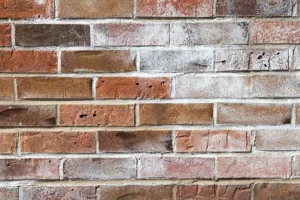
Choosing the right brick color affects how a home responds to the Texas climate. Dark-colored bricks tend to absorb more heat from the sun, which can make exterior walls warmer during the hot summer months.
On the other hand, lighter-colored bricks reflect more sunlight, helping reduce heat absorption and potentially improving energy efficiency. Lighter brick tones also tend to show less fading from prolonged sun exposure, making them a practical and visually appealing choice for many Texas homeowners.
Homeowners in Texas often choose warm, natural brick colors such as red, tan, buff, brown, and light gray. These shades complement the state’s diverse architectural styles, from traditional ranch homes and craftsman designs to modern farmhouses and contemporary residences.
Red brick creates a classic, timeless look, while tan and buff bricks provide a softer, more modern appearance. Gray bricks have also become increasingly popular for homes with contemporary or minimalist designs. Ultimately, selecting the right brick color allows you to balance style, durability, and comfort in a climate known for its intense heat.
Mistakes to Avoid When Choosing Brick
Choosing the right brick for your home is an important decision, but it’s easy to make mistakes if you focus only on appearance. The right choice should also match your local climate, home’s architectural style, and long-term maintenance expectations.
One common mistake is selecting brick without thinking about the weather. In areas with intense heat, heavy rain, or high humidity, some masonry products may perform better than others. Choosing a brick that is designed for your local environment can help prevent premature wear and keep your home looking its best for years.
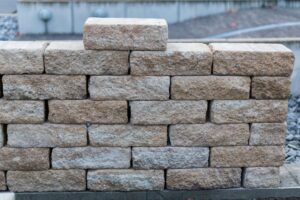
You should also consider how brick will work with other exterior materials. If your home includes vinyl siding, fiber cement, stucco, or decorative cladding like stone, it’s important to choose colors and textures that complement each other. Mixing incompatible masonry materials or finishes can create an uneven appearance and in some cases, lead to installation or moisture-related issues.
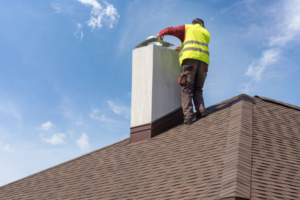
Another mistake is overlooking brick maintenance requirements. Although brick is known for its durability, it still benefits from occasional inspections and proper care. Ignoring mortar joints, moisture problems, or minor cracks can lead to more expensive repairs over time.
Finally, professional advice can help you compare products, understand performance ratings, and select materials that fit your budget and design goals. Taking the time to seek expert guidance makes it much easier to make the right choice and invest in brick that will provide lasting beauty and reliable performance.
Finding the Best Brick Supplier for Your Project
Choosing high-quality materials starts with choosing the right supplier. An experienced supplier can help you compare quality bricks, review samples in person, and select products that fit both your design goals and the Texas climate.
Whether you’re planning a custom home, renovation, or large-scale homebuilding project, expert guidance can save time and help avoid costly mistakes. Seeing actual brick samples before purchasing allows you to evaluate color, texture, and appearance under natural lighting conditions.
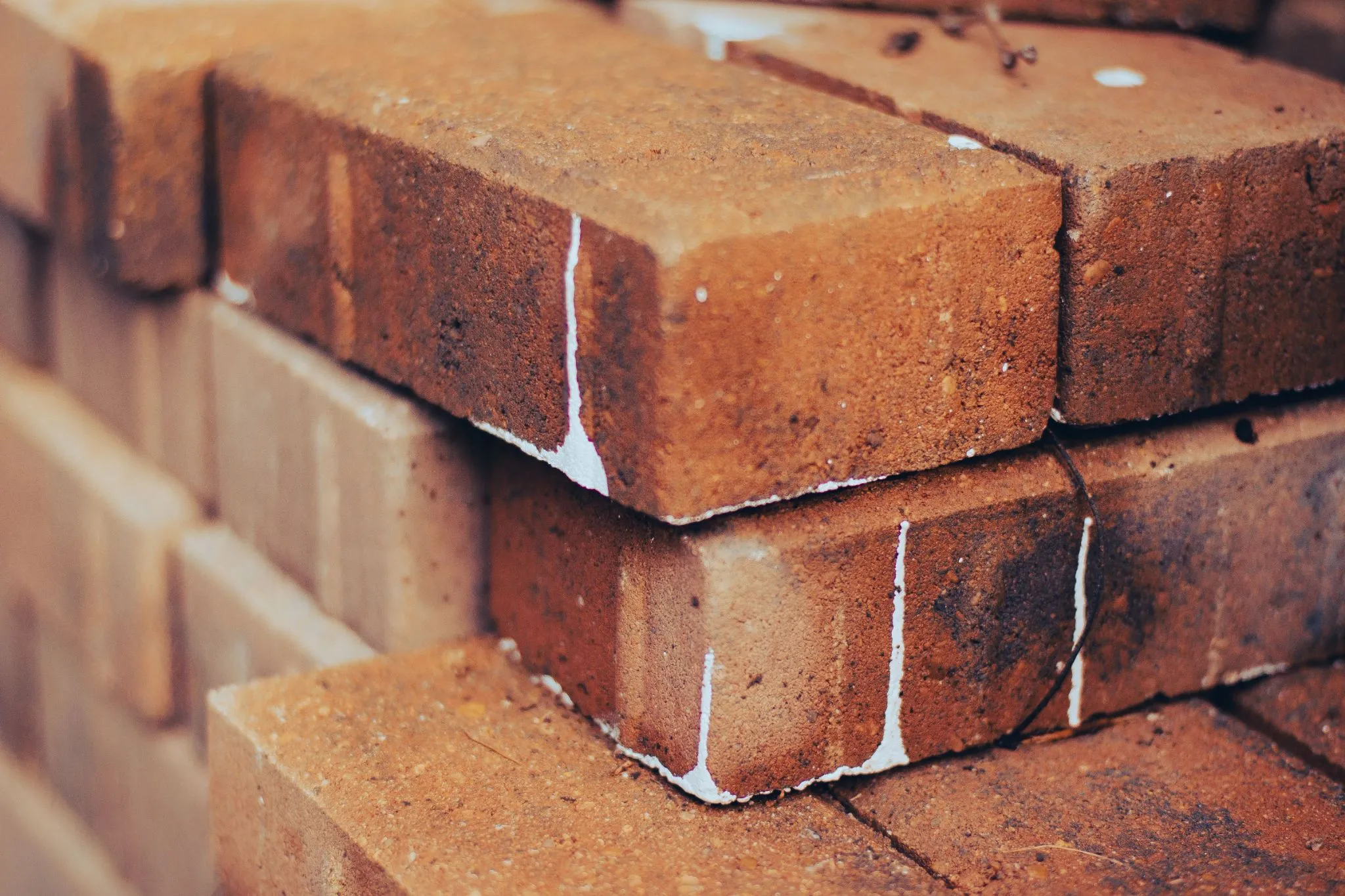
Choosing the Best Brick for Long-Lasting Texas Homes
The Texas climate demands materials that can handle heat, humidity, rain, and constant exposure to the elements. Selecting durable, moisture-resistant, and heat-resistant bricks for homes is one of the smartest investments that you can make.
Whether you’re considering traditional clay products, face brick, or engineered options, choosing the best brick for Texas climate can improve longevity, boost curb appeal, and enhance overall home performance. Likewise, selecting bricks for high-humidity areas helps protect your investment and ensures your brick home continues to perform well for years to come.
Choosing the right brick doesn’t have to be overwhelming. At Darden Building Materials, we help homeowners, builders, and contractors find high-quality products designed to perform well in the Texas climate. Whether you’re looking for heat-resistant bricks for homes, exploring brick colors, or comparing the best brick for Texas climate conditions, we’re here to help.
Contact Darden Building Materials today or visit our showroom to explore premium brick options and get expert guidance for your next project.