




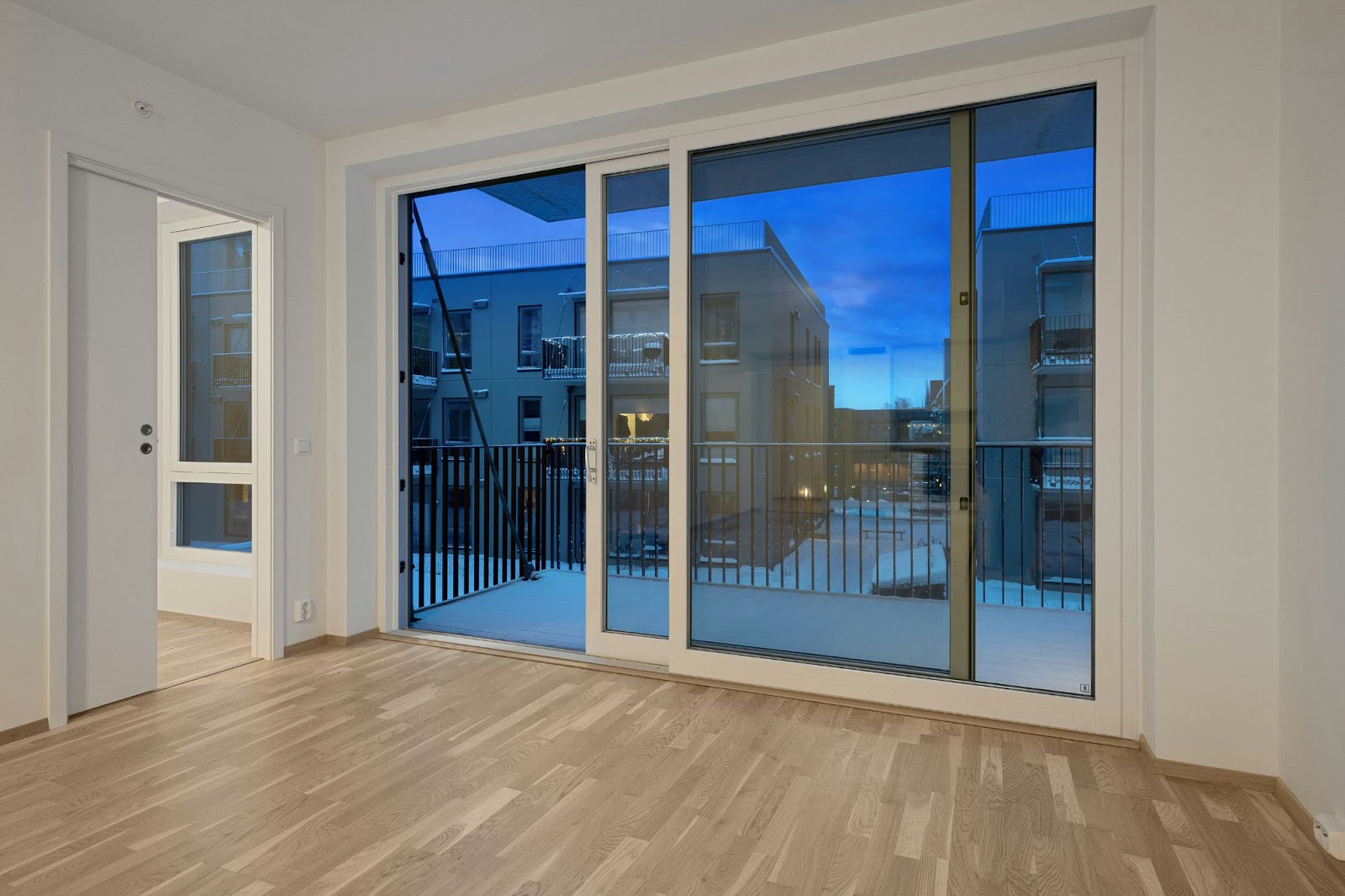
Sticky sliding door? Fix squeaks, jams, and stubborn tracks with 7 easy patio door maintenance tips for smoother, safer operation every day.
A sliding glass door is one of the most convenient features in any home, offering easy access to outdoor spaces while letting in natural light. Over time, even a well-installed door can become hard to slide due to dirt buildup, wear, or improper care, especially if the original installation or materials weren’t sourced from a reliable door supplier.
The good news is that with a little bit of maintenance, you can restore smooth movement and even make your door slide easier than before. Properly maintaining your sliding system not only improves performance, but also helps your door function smoothly for years.
In this guide, we’ll walk through practical sliding door maintenance tips to keep everything running in top shape.
Why Regular Sliding Door Maintenance Matters
Like all windows and doors, a sliding glass door is exposed to daily wear, environmental elements, and constant use. Without proper care, even the best systems will begin to lose their ability to slide efficiently.
Over time, doors become harder to use due to the following factors:
- Dirt and debris accumulate in the track and clog movement.
- Worn-out rollers reduce the ability to slide smoothly.
- Misalignment can cause uneven pressure and hinder movement.
- Hardware loosens, affecting stability and safety.
When buildup creates resistance, your door can become hard to slide, especially along the bottom tracks where most debris collects. This is why regular cleaning and lubrication are important.
Following simple routine maintenance tips helps prevent costly repairs and ensures your door continues to slide smoothly and operate safely.
Tip #1: Clean the Sliding Door Tracks Thoroughly
One of the most effective patio door maintenance tips is to clean the track regularly. Over time, small particles like a crumb, dust, pet hair, and grime accumulate in the track and clog the system. This buildup creates friction and prevents your door from moving freely, making it harder to slide.
Here are some tips on how to clean sliding door tracks effectively.
- Start by vacuuming loose debris, especially in hard-to-reach corners.
- Use a toothbrush to scrub away stubborn grime.
- Wash the track with soapy water to remove residue.
- Dry thoroughly to prevent further buildup.
Pay close attention to the sliding door tracks as this is where most debris collects. Frequent cleaning and regularly cleaning these areas will keep your door moving freely and help maintain a consistent glide.
Tip #2: Lubricate Rollers and Tracks Correctly
Once your tracks are clean, the next step is proper lubrication. Without it, friction increases and your door will struggle to slide. Using the right lubricant is essential.
- Always use a silicone-based lubricant.
- Apply a silicone-based lubricant to the tracks and rollers.
- Avoid oil-based lubricants as they can attract dirt and worsen buildup.
- Do not rely on products like WD-40, which are not designed for long-term lubrication.
To get the best results, apply a silicone-based lubricant lightly along the tracks and moving parts. This helps your door slide easier and improves overall performance. Proper lubrication is one of the easiest ways to create smooth slides and restore effortless movement.
Tip #3: Inspect and Adjust Door Rollers
The rollers allow your door to slide back and forth. If they are worn or damaged, the entire system will struggle.
What to look for:
- Uneven or jerky movement
- Grinding noises
- Difficulty opening or closing
To fix this, do the following:
- Check the rollers for wear.
- Use a screwdriver to access the adjustment screws.
- Carefully adjust the rollers until the door is level.
In some cases, you may need to unscrew parts of the frame to inspect the system more closely. If the rollers are beyond repair, replacing rollers if necessary will significantly improve performance.
Keeping your tracks and rollers in good condition ensures your door maintains a smooth sliding motion.
Tip #4: Check Door Alignment and Frame Condition
Even if your tracks are clean and lubricated, a sliding door that is not properly aligned will not function correctly. Misalignment can happen due to:
- Foundation shifts
- Wear over time
- Improper installation
Signs of alignment issues:
- The door drags or sticks
- Uneven gaps along the frame
- Difficulty maintaining smooth movement
Ensuring the door is level and aligned correctly will help it slide smoothly and prevent long-term damage. Addressing these issues early keeps your system in top shape and avoids unnecessary strain.
Tip #5: Tighten Loose Hardware and Fasteners
Loose components can interfere with how well your door operates and may even create safety risks. As part of your routine maintenance tips, take time to:
- Tighten any loose screws using a screwdriver.
- Check handles, locks, and brackets.
- Ensure all parts are secure and stable.
Loose hardware can cause uneven pressure, making it harder for the door to slide properly. Keeping everything secure helps maintain smooth operation and ensures long-term reliability.
Tip #6: Replace Worn Weatherstripping and Seals
The weatherstripping around your door plays a key role in keeping out dirt and maintaining efficiency. When it becomes worn, it allows debris to enter and increases friction. Common signs of worn weatherstripping include:
- Visible cracks or gaps
- Drafts near the door
- Increased resistance when trying to slide
Replacing weatherstripping not only improves insulation, but also helps prevent sticking by keeping debris out of the tracks. This small upgrade can make a noticeable difference in performance.
Tip #7: Schedule Professional Maintenance When Needed
While many tasks can be done at home, professional maintenance is sometimes necessary to keep your system running smoothly. Even with regular care, some doors may require material-specific attention. Selecting the right door material for Texas weather can reduce maintenance needs and help your doors slide easier.
Consider expert help if:
- Problems persist even after you clean and lubricate.
- The door continues to derail.
- There is severe wear on tracks or rollers.
Following maintenance tips to keep your doors in good condition and scheduling inspections every few months ensures optimal performance. Always refer to your manufacturer’s recommendations for proper care. A combination of DIY care and professional servicing helps prevent costly issues and keeps your doors functioning properly.
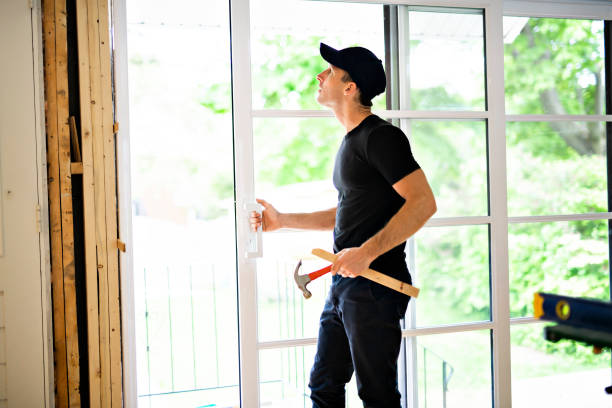
Technician installing a sliding glass door
When Is It Time to Replace Your Patio Doors Instead of Maintaining Them?
Even with proper care, there comes a point when repairs are no longer enough. Over time, components wear out and performance declines. Consider replacing your doors if:
- They remain hard to slide despite maintenance.
- There are severely worn or damaged components.
- Energy efficiency has decreased.
- The design no longer matches your home.
Upgrading your doors can improve efficiency, appearance, and overall function, making it a smart long-term investment.
Simple Sliding Door Maintenance Tips That Make a Big Difference
Maintaining your sliding doors doesn’t have to be complicated. By following the abovementioned tips, you can keep your doors sliding effortlessly for years. Even beginners will find these steps easy to follow and highly effective.
Regular care prevents jams, squeaks, and long-term damage while making your door safer and more enjoyable to use every day. Take a few minutes today to inspect your sliding doors, start a simple maintenance routine, and enjoy smoother, more reliable operation for years to come.
Contact Darden Building Materials today to explore durable, stylish solutions that keep your sliding doors performing like new.