


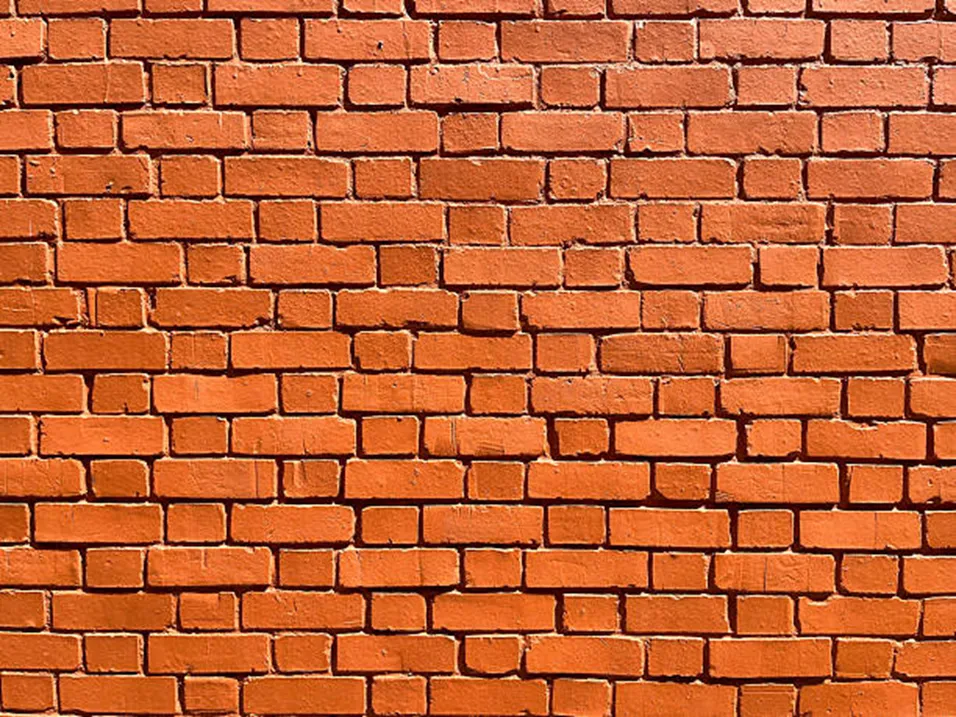
Ever wondered why solid brick is better than veneer? Let’s stack up the facts and see which one truly stands the test of time.
For any homeowner planning a new build or renovation, choosing between brick and brick veneer is a major decision. At first glance, both options offer the classic curb appeal of brick materials, but the differences between these two options go far beyond appearance.
Durability, lifespan, and long-term performance are essential factors when investing in building materials. While both options have their place, understanding why solid brick is better than veneer can help you make a smarter, longer-lasting investment. In this guide, we’ll take a closer look at both options and see how they hold up over time in real-world conditions.
Understanding the Difference: Solid Brick vs Brick Veneer
At first glance, solid brick and brick veneer can look almost the same. Both provide the classic brick appearance that many homeowners love, but they’re actually very different in how they’re built and perform.
The biggest difference comes down to structure. Solid brick is load-bearing. The bricks themselves support the weight of the building. Brick veneer, on the other hand, is just a single outer layer of brick attached to a framed structure, usually wood or steel.
That one distinction changes everything, from how each option handles moisture and insulation to long-term durability and maintenance needs.
What Is Solid Brick Construction?
Solid brick construction, also called solid masonry, is one of the oldest building methods still in use today. It involves stacking multiple layers of brick, bonded together with mortar, to create thick, sturdy walls.
In this type of construction, the brick walls support the entire weight of the building. The same walls serve as both the inside and outside structure. Also, there’s no separate frame holding the building up. You’ll often see this in older homes, historic buildings, and structures built to last for generations.
Since the brick itself is structural, solid brick homes are extremely durable. It handles weather well, resists damage over time, and requires relatively little upkeep. It’s not unusual to see solid brick buildings that are 100 years old or more still standing strong today.
What Is Brick Veneer?
Brick veneer focuses on appearance rather than structure. Instead of building solid brick walls, a single layer of brick is added to the outside of a framed wall. Here’s how it’s typically done.
- The brick layer is anchored to the frame using metal ties.
- A small air gap is left between the brick and the structure behind it.
- Weep holes are added at the bottom to allow moisture to drain out.
Unlike solid brick, the veneer doesn’t support the building. The internal frame carries all the structural load. The brick is mainly there for protection and aesthetics. This method is popular in modern construction because it’s lighter, faster to build, and more cost-effective, while still giving you the look of real brick.
Lifespan Comparison: Which Lasts Longer?
Lifespan is usually one of the biggest deciding factors when it comes to choosing between solid brick and brick veneer. At first glance, both look like brick walls and give that same timeless appearance. However, how long they actually last depends on what’s happening behind the surface.
Solid brick buildings are known for lasting generations with very little intervention. Since the brick itself is what supports the structure, there are fewer hidden components that can wear out or fail over time.
Brick veneer, on the other hand, depends on a combination of materials working together – brick, framing, ties, and moisture barriers. Even if the brick exterior still looks good, problems in any of those underlying parts can affect the system as a whole.
That difference plays a big role in long-term value. One option is naturally built for endurance, while the other relies on several layers staying in good condition.
Longevity of Solid Brick
Solid brick construction has earned its reputation for durability over many decades, sometimes even centuries. That kind of lifespan comes from the simplicity and strength of the system.
Brick and mortar together form a dense, solid wall that can handle long-term exposure to the elements. It stands up well to wind, rain, fire, and everyday wear without needing much structural support beyond itself.
Since the entire wall is load-bearing, there are no hidden framing layers that can quietly deteriorate over time. Maintenance is usually minimal, often limited to occasional repointing of mortar joints when needed.
Lifespan of Brick Veneer
Brick veneer can still perform well, but its lifespan is generally more limited and more dependent on proper installation and maintenance. In many cases, a well-built veneer system can last around 30 to 50 years, though this varies based on climate, workmanship, and ongoing care.
The key factor is that the brick layer is not structural. It relies on the frame behind it, usually wood or steel, for support. If that underlying structure begins to deteriorate due to moisture, pests, or aging, the entire wall system can be affected.
Moisture is one of the biggest risks with brick veneer. If water gets behind the brick and isn’t properly drained, it can become trapped. Over time, this can lead to issues like wood rot, mold growth, or weakening of the wall structure.
Due to these risks, brick veneer systems often require more regular inspections and maintenance. In some cases, repairs may be needed within 20 to 30 years, even if the exterior brick still appears to be in good condition.
In short, brick veneer offers the appearance of brick at a lower upfront cost, but its lifespan depends heavily on the health of the entire wall system – not just the brick itself.
Performance Comparison: Strength, Insulation, and Weather Resistance
Beyond lifespan, the differences between solid brick and brick veneer become even clearer when you look at how they perform in everyday conditions. Things like structural strength, insulation, and moisture control all play a role in how each option behaves over time.
While both use brick on the outside, they function very differently when exposed to weather, temperature changes, and long-term stress. Understanding these performance differences helps homeowners choose the option that best fits their climate, budget, and long-term expectations.
Structural Strength and Load-Bearing Capacity
One of the biggest differences between solid brick and brick veneer comes down to how each system handles weight and structural support.
With solid brick construction, the bricks themselves hold the building up. The walls are built as a continuous, load-bearing system where every brick and mortar joint contributes to the overall strength. Due to this, the structure is naturally strong and stable, capable of handling significant pressure and long-term stress.
Brick veneer works very differently. In this system, the brick is not structural at all. It’s essentially a protective outer layer attached to a framed structure made of wood or steel. The frame carries the entire load of the building, while the brick is secured to it for appearance and protection.
Thermal Performance and Insulation
When it comes to temperature control, both options can perform well but they do it in different ways. Solid brick walls rely on something called thermal mass. In simple terms, this means the bricks absorb heat during the day and slowly release it when temperatures drop. This helps smooth out temperature swings inside the building, creating a more stable and comfortable indoor environment.
Brick veneer doesn’t rely on mass in the same way. Instead, it typically uses modern insulation materials placed within the wall cavity. This insulation helps slow down heat transfer between the inside and outside of the building, improving energy efficiency.
In other words, solid brick regulates temperature through its thickness and density. Brick veneer improves efficiency through added insulation layers inside the wall. Both can achieve good thermal performance, but do it using completely different methods.
Resistance to Weather and Moisture
Weather resistance is especially important in climates with heavy rain, humidity, or frequent temperature changes. How each system handles moisture plays a big role in its long-term performance.
Solid brick walls are naturally dense, which helps them handle exposure to the elements. It can absorb small amounts of moisture during wet conditions and then gradually release it as things dry out. This slow “breathing” process helps reduce the risk of trapped moisture and makes solid brick more forgiving in harsh or changing environments.
Brick veneer takes a different approach. Instead of absorbing moisture, it relies on a built-in drainage system. A small cavity behind the brick allows water to move downward and exit the wall through weep holes at the bottom. When properly designed and installed, this system works very effectively.
However, problems can arise if anything interrupts that drainage path. Clogged weep holes, poor installation, or cracks in the outer brick layer can allow moisture to become trapped behind the veneer. Due to this, brick veneer requires careful installation and ongoing attention to ensure moisture is properly managed.
Maintenance and Repair Considerations
Maintenance is one of the factors that often gets overlooked at the beginning of a project, but it becomes extremely important over the life of a building. How a wall system is built directly affects how often it needs attention, how easy repairs are, and what those repairs cost over time.
In general, solid brick is simpler and more self-contained, while brick veneer involves multiple layers that all need to work together properly. That added complexity can mean more regular inspections and a higher chance of hidden issues developing behind the surface.
Maintaining Solid Brick Structures
Maintaining brick exteriors plays an important role in extending the life of solid masonry and preserving its appearance. One of the biggest advantages of solid brick construction is how low-maintenance it is. Since the structure is made entirely of brick and mortar, there are fewer components that can fail or require replacement. Typical maintenance is minimal and usually includes the following:
- Occasional repointing of mortar joints as they naturally wear over time
- Basic cleaning to remove dirt, stains, or buildup
- Rare need for major structural repairs
There’s no internal frame to inspect and no hidden wall cavity where moisture can accumulate. That simplicity makes maintenance more straightforward and often more affordable over the long term.
Maintaining Brick Veneer
Brick veneer is durable, but requires a more proactive approach to maintenance. Proper brick exterior care is particularly important because the system relies on multiple components working together. Since the brick is only the outer layer, it’s important to monitor both the exterior surface and the system behind it. Common maintenance tasks include:
- Checking for cracks, gaps, or movement in the brick surface
- Keeping weep holes clear so water can drain properly
- Looking for signs of moisture buildup or water intrusion
- Inspecting the condition of the framing behind the brick
One of the main concerns with brick veneer is hidden moisture. If water gets trapped behind the brick and goes unnoticed, it can gradually damage the materials inside the wall. These issues are often harder and more expensive to repair because they aren’t always visible right away.
Due to this, brick veneer systems typically require more regular inspections and occasional maintenance to ensure everything continues working as intended.
Cost vs Long-Term Value
Cost is usually the first thing homeowners consider and there’s no question that the upfront difference between solid brick and brick veneer is significant.
Brick veneer is generally more affordable to install. It uses fewer materials, weighs less, and takes less time and labor to build compared to full masonry construction. Thus, it’s often the go-to option for projects with tighter budgets or shorter timelines.
Solid brick construction, on the other hand, comes with a higher initial cost. It requires more materials, more skilled labor, and a longer build time, all of which add to the upfront investment.
However, the long-term picture is where things start to shift. Solid brick tends to offer better overall value over time. Since it’s extremely durable and requires less maintenance, ongoing repair costs are usually lower. Its long lifespan also means fewer major replacements or structural concerns down the line.
For homeowners planning to stay in their home for many years, that long-term stability can make the higher upfront cost worthwhile. Brick veneer may save money at the beginning, but maintenance, repairs, and potential moisture-related issues can add up over time.
Depending on how well it’s installed and maintained, the total cost over decades may be closer to solid brick than expected or in some cases, even higher. In the end, it really comes down to perspective. You’re not just paying for construction, but for a lifetime of performance.
Aesthetic and Design Differences
From a visual standpoint, both solid brick and brick veneer can achieve the same classic, timeless brick look. In most cases, especially from a distance, it’s difficult to tell them apart if they’re well built. That said, there are some subtle differences in feel and depth.
Solid brick tends to have a more authentic, substantial appearance. Since the entire wall is made of brick, you often get deeper window openings, thicker edges, and a stronger sense of mass. Over time, the natural aging of the material also adds character that’s hard to replicate.
Brick veneer still uses real brick, so it looks very similar on the surface. However, it doesn’t have quite the same depth or thickness. Where it stands out is flexibility. Since it’s lighter and easier to work with, it can be combined more easily with other exterior materials like siding, stucco, or stone. That’s why it’s so common in modern home designs.
In the end, both options can look great. The difference is really about whether you prefer a more traditional, solid feel or a more flexible, design-driven approach.
When Brick Veneer Might Be the Better Option
Although solid brick has strong long-term advantages, brick veneer is a practical and widely used choice because it fits different needs.
For many homeowners, the biggest advantage is cost. Brick veneer is more affordable upfront and faster to install, which can make a big difference when working within a budget or trying to complete a project on schedule.
Weight is another important factor. Not all structures are designed to support the load of solid masonry, especially in modern construction. Brick veneer provides the look of brick without requiring the building to carry that extra structural weight.
It also offers more design flexibility. In many modern homes, brick veneer is used alongside other materials to create mixed exterior styles. This makes it easier to achieve specific architectural looks without the constraints of full brick construction.
In short, brick veneer makes sense when you want the appearance of brick in a more cost-effective, lightweight, and design-flexible manner.
Why Solid Brick Is Better Than Veneer for Long-Term Performance
At the end of the day, the biggest difference shows up over time. Solid brick is built to last. It holds up through weather, aging, and everyday wear with very little maintenance. Since it’s part of the structure, it stays strong and reliable for decades, often much longer.
Brick veneer, while still durable, depends on everything behind it. If moisture gets in or the underlying structure starts to wear down, problems can show up sooner and may be more expensive to fix.
That’s really the core of it. If you’re thinking long-term like less maintenance, fewer repairs, and a structure that can last for generations, it becomes clear why solid brick is better than veneer. Of course, the right choice depends on your priorities. However, if durability and long-term value are at the top of your list, solid brick is hard to beat.
If you’re planning a project, it’s worth taking the time to explore your options and choose materials that will hold up not just today, but years down the line. Whether you’re planning a new build or comparing material options, Darden Building Materials can help you make informed decisions and find quality materials that stand the test of time.
Contact Darden Building Materials to explore your options and build with confidence from the ground up.