




Discover the best door material for Texas homes. Choose a front door material that’s durable, energy-efficient, and built to withstand heat and storms.
Texas is famous for its extreme and varied weather conditions. From scorching summers exceeding 100°F to occasional freezing winters, the state experiences high humidity in coastal areas, intense UV exposure, and severe storms.
Your front door is the first line of defense against these elements while also contributing to your home’s curb appeal and value. Choosing the best door material for Texas is essential for durability, energy efficiency, and low maintenance. This guide will help you select the best option for your home.
Fiberglass Doors: The Top Choice for the Texas Climate
For every homeowner, choosing the right entry door is not just about appearance. Selecting the right door material helps maintain indoor comfort, reduce heat gain, and protect your home from long-term weather damage.
A fiberglass door is often considered the best door material for Texas due to its durability, weather resistance, and energy efficiency. Key benefits include:
- Excellent heat resistance and UV stability – won’t warp, crack, or fade under intense sun
- Superior insulation – helps reduce cooling costs during hot Texas summers
- Moisture-resistant – ideal for humid regions along the Gulf Coast
- Low maintenance – rarely requires refinishing or repairs
Potential Drawbacks:
- Higher upfront cost compared to steel or some wood options
- Can dent from severe impacts, and repair options are limited
Additional Details:
- Typical price range: $800-$2,500 installed
- Expected lifespan: 20-30 years with proper care
Fiberglass offers a strong combination of durability, energy efficiency, and minimal upkeep, making it a top choice for Texas homeowners. When the door choice aligns with durability and insulation priorities, fiberglass is often the right door for demanding climates.
Steel Doors: Security and Efficiency Combined
When choosing the right exterior door, homeowners should consider whether their entryway is shaded or exposed to direct sun. Steel doors are a strong option for Texas homes, offering both security and durability. Key advantages include:
- Excellent impact resistance and overall strength
- Good insulation when foam-filled, improving energy efficiency
- Resistant to warping and cracking under normal conditions
- Works well in covered entryways or interior locations where extreme sun exposure is limited
A properly finished steel door with a protective coating can improve durability and help manage heat gain. Insulated steel models help stabilize indoor and outdoor temperature differences, supporting efficient heating and cooling.
Considerations:
- Can become extremely hot in direct sunlight
- Susceptible to rust in humid coastal areas if not properly finished
- May dent from hail or impacts, and scratches or fading can appear over time
Additional Details:
- Typical price range: $600-$2,000 installed
Steel doors provide strong security and energy efficiency, but require moderate upkeep to maintain appearance and prevent rust. Fiberglass and steel are popular options because these materials limit heat gain while maintaining long-term performance. Many steel and fiberglass doors also come with strong warranty coverage for added peace of mind.
Wood Doors: Traditional Beauty with Texas Considerations
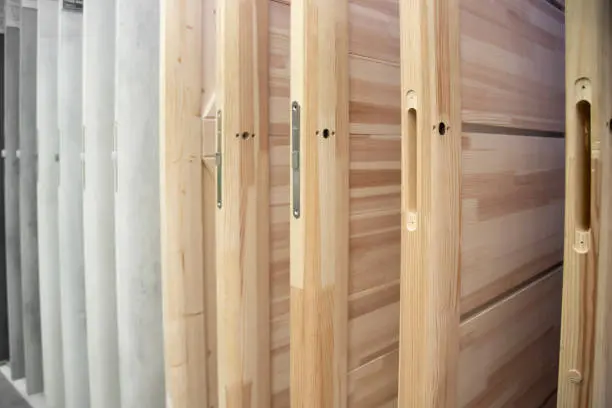
Wooden doors offer timeless beauty, customization, and traditional charm. Many homeowners are drawn to traditional wood doors for their warmth and architectural appeal. Key benefits include:
- Timeless beauty and customizable designs
- Adds traditional charm and can increase home resale value
- Can be made from high-quality hardwoods like mahogany or teak for better durability
Wooden doors also help improve access to outdoor spaces while allowing natural light.
Challenges in Texas Weather:
While wooden doors can elevate design, they require more maintenance than fiberglass or steel doors. The type of door you choose should reflect your specific door needs, climate exposure, and budget.
Heat and humidity cycles can cause warping and splitting. Intense UV exposure may lead to fading. Regular sealing, staining, or painting every few years is necessary to maintain protection and appearance.
Without consistent care, wood may not deliver the same long-term performance as fiberglass or steel.
Best Applications:
- Works well in covered porches or protected entryways
- Suitable for homeowners willing to invest time and effort in upkeep
- Hardwood options are better for resisting Texas elements.
Here’s a tip. Wood doors are generally better suited for drier regions of Texas (like West Texas) rather than humid coastal areas where moisture and UV exposure are more extreme.
Choosing Front Door Material: Regional Considerations in Texas
Texas is vast, and your location should influence your choice of front door material.
- Houston/Gulf Coast
In the Houston/Gulf Coast region, moisture resistance is crucial, so fiberglass or properly finished steel doors are ideal. Alongside your door, choosing impact-resistant windows can provide additional protection against storms and improve energy efficiency.
- Dallas/Fort Worth
In Dallas/Fort Worth, homeowners need to balance heat with occasional cold, making fiberglass doors a strong choice.
- San Antonio and Austin
For San Antonio and Austin, high heat and intense UV exposure make fiberglass or quality steel doors the best options.
- West Texas
West Texas has a drier climate, offering more flexibility in material selection, but UV protection is still important.
- Panhandle
In the Panhandle, cold-weather performance alongside heat should be considered, so insulated fiberglass or steel doors are recommended.
Ensuring your door choice aligns with your region helps maximize durability and energy efficiency.
Energy Efficiency and Insulation Factors
The front door plays a bigger role in energy performance than many homeowners realize. The material you select when choosing a front door material directly impacts insulation, indoor comfort, and monthly utility costs.
A poorly insulated or improperly sealed door allows cooled air to escape and hot air to enter, forcing your HVAC system to run longer and harder. An energy-efficient door minimizes heat gain, improves insulation, and reduces strain on HVAC systems.
Since door material plays such a major role in separating indoor and outdoor temperatures, selecting the right material helps maintain comfort year-round.
How Door Material Affects Energy Costs
Different materials offer different insulation capabilities.
Fiberglass Doors
- Excellent thermal insulation due to insulated cores
- Resistant to expansion and contraction in extreme heat
- Maintain a tight seal over time
- Often considered the best door material for Texas for energy efficiency
Insulated Steel Doors
- Typically foam-filled for improved insulation
- Strong barrier against heat transfer
- Perform well in both high heat and occasional cold snaps
- More energy-efficient than solid wood doors
Wood Doors
- Natural insulator but less effective than modern insulated fiberglass or steel
- More prone to slight warping or gaps over time, which can reduce efficiency
- Performance heavily depends on proper sealing and maintenance
Potential Annual Savings in Texas
Due to Texas’s prolonged cooling season, energy-efficient doors can make a measurable difference. Homeowners who upgrade from older, poorly insulated doors to modern fiberglass or insulated steel models may save $50 to $150 per year in energy costs, depending on home size and climate zone.
Homeowners in hotter regions like Houston, San Antonio, and South Texas may see even greater savings due to longer and more intense cooling seasons. While these numbers may seem modest annually, savings compound over the lifespan of the door.
Over 15-20 years, that can translate into $1,000 or more in reduced utility costs, not including added comfort and reduced HVAC wear.
Ultimately, the right material plays a critical role in making your home more energy efficient. Choosing the right door ensures your perfect door balances insulation, durability, and long-term value.
It’s a smart long-term investment that reduces operating costs while improving overall home performance. The right door material helps maintain balanced temperatures and supports efficient heating and cooling systems over time.
Maintenance Requirements by Door Material
When selecting a front door for your Texas home, it’s important to consider how much maintenance each material requires. Texas weather can accelerate wear and tear, so understanding what to expect can save time, money, and frustration. Here’s a breakdown of maintenance requirements for the most common door materials.
- Fiberglass Doors
Fiberglass doors are known for their durability and low maintenance, making them an excellent choice for Texas homes. They generally require only occasional cleaning with mild soap and water to remove dust, dirt, or pollen.
Unlike wood, fiberglass does not warp, crack, or absorb moisture, and it rarely needs refinishing. Occasional inspection for minor dents or scratches is sufficient, and most cosmetic issues can be touched up without professional help.
- Steel Doors
Steel doors are highly durable and offer strong security, but they require moderate maintenance to maintain performance and appearance. Over time, steel doors can develop rust, especially in humid or coastal areas, so it’s important to check for corrosion periodically and repaint any affected areas.
Additionally, steel doors may need repainting every 5-10 years, depending on sun exposure and wear. Regular inspection of hinges, locks, and weatherstripping is also recommended to keep the door operating efficiently and prevent drafts.
- Wood Doors
Wood doors provide timeless beauty and a classic aesthetic but require the most maintenance, particularly in Texas’s harsh climate. Wood is vulnerable to extreme heat, humidity, and UV exposure, which can cause warping, cracking, and fading over time.
To protect wood doors, homeowners should regularly seal or stain the surface every 2-3 years, inspect for moisture damage, and apply protective finishes to minimize UV damage. Even high-quality hardwoods like mahogany or teak need routine upkeep to maintain structural integrity and appearance.
Considering Texas weather, which combines scorching heat, humidity, and strong sun, low-maintenance materials like fiberglass or properly finished steel often save homeowners both time and money over the long term. While wood doors can be maintained beautifully, they require commitment and diligence to withstand the elements.
Budget Considerations and Long-Term Value
When selecting a front door in Texas, it’s important to consider that the cheapest upfront option is not always the most economical. The perfect door balances durability, insulation, cost, and design.
Fiberglass doors generally range from $800 to $2,500 installed, depending on size, design, and additional features like sidelights or decorative glass.
Steel doors are typically less expensive, ranging from $600 to $2,000 installed, while wood doors, particularly custom or high-end hardwood options, can cost $1,000 to $3,500 installed.
Beyond the purchase price, homeowners should account for ongoing costs such as maintenance, refinishing, and potential repairs. Fiberglass’s minimal maintenance and high durability often make it the most cost-effective choice over time, despite a higher upfront price.
Steel doors can also be economical if maintained properly, but factors like rust prevention and occasional repainting add to long-term costs. Wood doors, while offering unmatched beauty and customization, often incur the highest maintenance costs due to regular sealing, staining, and protection against moisture and UV damage.
Energy efficiency is another key consideration. Fiberglass and insulated steel doors generally outperform wood in energy savings, helping reduce cooling costs during Texas’s long, hot summers.
A more energy-efficient door can save hundreds of dollars annually, which may offset higher initial costs. Additionally, the resale value of your home can be positively impacted by a durable, attractive, and energy-efficient door, making it a smart investment for both comfort and long-term financial value.
Making Your Final Decision
The best door material for Texas depends on location, budget, and personal priorities. Fiberglass generally provides the best all-around performance, combining durability, energy efficiency, and low maintenance. Understanding Texas weather challenges is essential because what works in other states may fail quickly here.
For long-term results, consult local door suppliers familiar with Texas climates and invest in quality materials with professional installation. Your front door is an investment in your home’s protection, efficiency, and curb appeal.
Whether you prioritize durability, natural light, or minimal maintenance, selecting the right door material for your Texas home ensures lasting protection and performance.
Contact Darden Building Materials today to explore fiberglass, steel, and wood options tailored for Texas weather. Protect your home while boosting energy efficiency and curb appeal!