
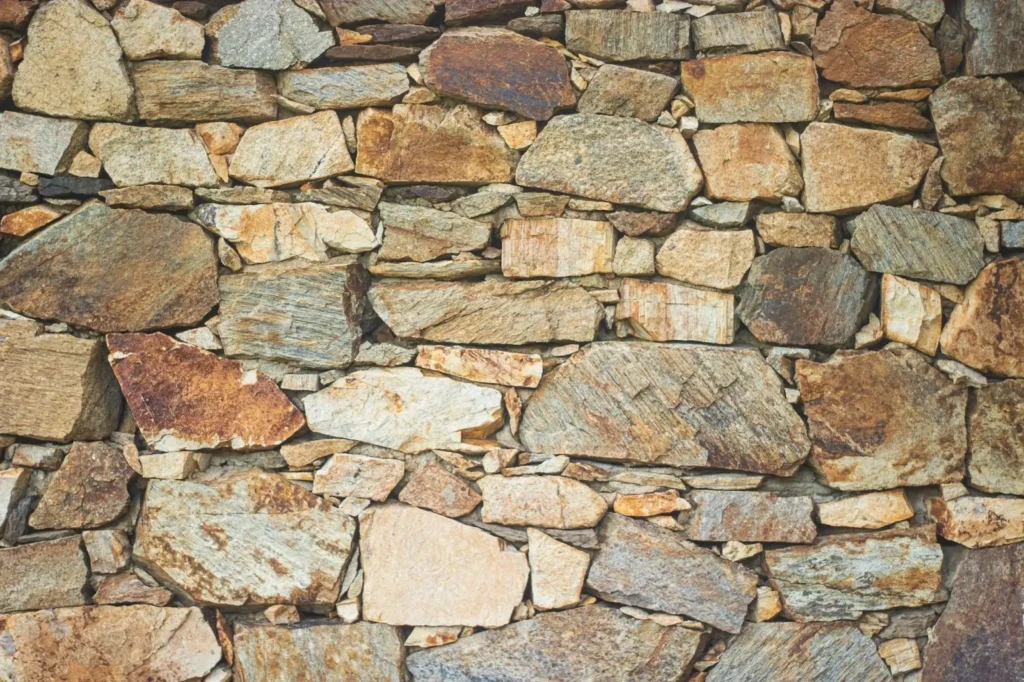
Understand the differences and benefits between cast stone and natural stone for your Texas home projects.
When you’re planning a home build or renovation in Texas, selecting the right stone material can make a huge difference both aesthetically and structurally. Two excellent choices that frequently come up are natural stone and cast stone materials. While they may look similar at first glance, the differences beneath the surface matter. In this guide, we’ll walk homeowners through what each material really is, how they differ, and how to decide which is best for your project.
What Is Natural Stone?
Natural stone refers to quarried rock such as limestone, sandstone, granite, or fieldstone that is cut and shaped for use in construction and building finishes. Since it’s directly sourced from the earth, each piece carries unique texture, variation, and character.
Key features of natural stone:
- Authentic-earth appearance and natural variation in color and pattern
- Heavy weight and substantial feel that gives a sense of permanence
- Typically high durability and longevity when installed properly
- Often higher cost due to quarrying, cutting, transport, and skilled labor
Natural stone is a popular choice for exteriors, retaining walls, and accent features thanks to its enduring look and value.
What Is Cast Stone?
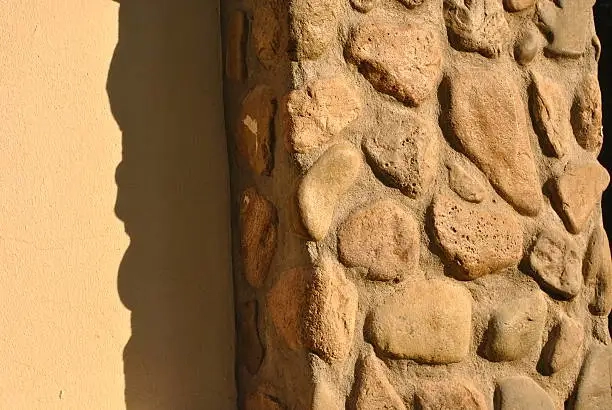
Cast stone is a manufactured masonry product designed to replicate the look and feel of natural stone. It’s typically made of fine aggregates, cementitious binders, and pigments, then molded into shapes to imitate natural materials.
Key features of cast stone materials:
- Customizable in shape, size, texture, and color, making it versatile for architectural details (lintels, balustrades, decorative elements)
- Generally lighter than large slabs of natural stone, easing installation and structural load
- More cost-effective than many natural stone options, especially for large scale or detailed work
- Consistent color and finish across units, which can benefit projects needing uniformity
For many home projects, especially where architectural detail or faster install is important, cast stone masonry can offer a strong solution.
Side-by-Side Comparison: Cast Stone vs Natural Stone
| Attribute | Natural Stone | Cast Stone |
| Material origin | Quarried rock | Manufactured mix of aggregates and cement |
| Appearance | Unique, natural variation | Uniform, repeatable finishes |
| Weight | Very heavy | Generally lighter and easier to handle |
| Cost | Higher (quarry + transport + labor) | Lower for similar visual effect in many cases |
| Installation | Requires skilled masons and more time | Easier and faster install in many instances |
| Design flexibility | Limited by natural stone shapes and sizes | High flexibility in molds and custom shapes |
| Structural load | Heavy load requiring strong support | Lower load that can ease structural demands |
| Best for | Premium, natural aesthetic, high-end builds | Detailed architectural features and cost-sensitive builds |
| Texas climate performance | Excellent when sealed and maintained | Also excellent when installed and finished properly |
Why Texas Homeowners Should Care
Living in Texas means dealing with heat, sun, occasional freeze-thaw cycles, and heavy rains. Your stone choices must handle thermal expansion, UV exposure, moisture, and structural demands. Here’s how each material performs.
Natural stone’s mass and durability make it stand up well to the elements, but installation and structural demands must be handled properly. Cast stone offers an appealing alternative that gives the stone look with fewer structural concerns and at a more manageable cost.
For exteriors, facades, accents, or integrated architectural features, cast stone masonry gives Texas homeowners design flexibility while staying practical. If you’re aiming for a premium natural look and willing to invest in installation and structure, natural stone remains unbeatable in authenticity and prestige.
Selecting the Right Stone for Your Project
When deciding between cast stone materials and natural stone for your Texas home, consider these questions.
- What’s your budget? Natural stone tends to cost more for both material and installation. Cast stone may allow you to allocate costs elsewhere such as landscaping or lighting.
- What’s your structural capacity? If you’re adding heavy stone cladding, ensure your walls or foundation can handle the load.
- How important is uniformity vs variation? If you want consistent color and texture across a large area, cast stone may be ideal. If you want unique variation and rugged texture, natural stone wins.
- What’s your timeline? Cast stone often allows faster installation, while natural stone may take longer to source and install.
- Where is the stone being used? For decorative elements like balustrades or trim, cast stone gives custom shapes. For large exterior facades, natural stone can provide enduring visual impact.
- Maintenance and long-term value: Both can add value, but natural stone has luxury appeal while cast stone offers flexibility and savings.
Installation Tips & Best Practices in Texas
- Ensure proper support and foundation, especially for heavy stone veneers or cladding.
- Use high-quality mortars and sealants suited for Texas weather.
- Choose the right installation method for the material to prevent cracks or moisture issues.
- Account for thermal expansion by providing joints and spacing.
- Avoid moisture traps by ensuring proper flashing and drainage.
- Source materials locally when possible to ensure climate compatibility and availability through experts.
Maintenance, Longevity & Value
Natural stone: With proper installation and sealing, it can last for decades and adds strong resale value.
Cast stone: Also long-lasting when installed properly and maintained with sealants. Offers similar aesthetic value at a lower cost.
Routine maintenance tips: Clean with non-acidic solutions, inspect for cracks, reseal as recommended, and check flashing and drainage regularly.
Both options increase home value and curb appeal when properly maintained.
Conclusion
Choosing between natural stone and cast stone materials is more than a design decision. It’s about balancing budget, structure, and long-term performance for Texas’s unique climate. Natural stone brings timeless authenticity, while cast stone masonry provides flexibility, customization, and affordability without sacrificing beauty. The best choice depends on your goals, but both materials can transform your Texas home with elegance and strength.
Visit Darden Building Materials to browse our wide selection of building stone Texas, cast stone, and masonry products. Our experienced team can help you compare materials, discuss design goals, and choose the right stone for your next project. Contact Darden Building Materials today for expert advice and start building something beautiful with us.