
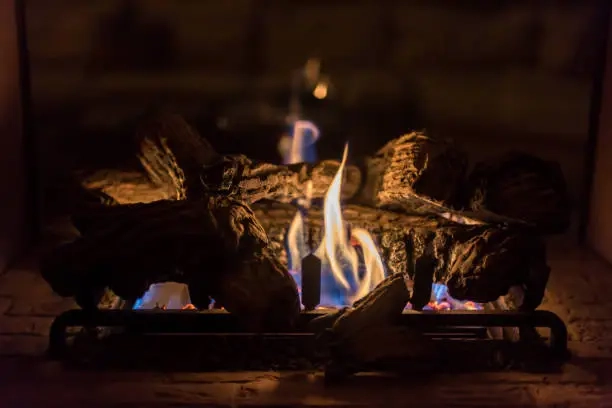
Choose the right gas logs to enhance comfort and efficiency in your fireplace.
Choosing the best gas logs ensures reliable heat, beautiful flames, and long lasting performance. It’s also an important step when you prepare your fireplace for winter, helping ensure safe operation and dependable warmth all season long. In this guide, you will learn how to choose between vented and ventless gas logs, what materials and sizes to consider, and how to find the perfect fit for your fireplace.
What Makes the Best Gas Logs for Texas Homes
Texas temperatures can change quickly, which means your fireplace should be ready to deliver comfort and efficiency at any time. The best gas logs offer strong heat output, natural looking flames, and durable construction that holds up through years of use. Look for models that ignite easily and provide consistent performance during fluctuating weather.
Vented vs Ventless Gas Logs
Understanding the difference between vented and ventless gas logs helps you choose the right option for comfort, style, and safety.
Vented Gas Logs
Vented gas logs are designed to create the most realistic flame appearance, closely mimicking the look of a traditional wood-burning fireplace. These logs require an operational chimney or flue to safely release combustion gases, making them ideal for homeowners who prioritize aesthetics and the authentic charm of a real fire.
One of the main advantages of vented gas logs is the lifelike visual effect. The flames dance naturally around the logs, and the glowing embers provide a cozy, warm ambiance that enhances the atmosphere of any living space. Vented logs are also available in a wide variety of styles and materials, including oak, birch, and hickory, allowing you to customize the look of your fireplace to match your home décor.
However, there is a trade-off. Since the chimney or vent carries some of the heat outside, vented gas logs are generally less efficient at heating your room compared to ventless systems. Despite this, they remain a popular choice for homeowners who value the visual authenticity of a fire over maximum heating efficiency.
Proper installation and regular maintenance are essential for safe operation. Ensure the chimney is in good condition, free of blockages, and compliant with local building codes. With the right setup, vented gas logs can provide years of reliable performance, combining both beauty and warmth in your home fireplace.
Ventless Gas Logs
Ventless gas logs are designed to maximize heating efficiency, making them an excellent choice for homeowners who want to keep more warmth inside their living space. Unlike vented systems, ventless logs do not require a chimney or flue, which means nearly all the heat generated stays in your room rather than being lost up the chimney. This results in faster, more consistent warmth, perfect for Texas homes where temperatures can drop suddenly but rarely stay cold for long periods.
In addition to efficiency, ventless gas logs often offer a realistic flame appearance, providing the ambiance of a traditional wood-burning fireplace without the hassle of cleaning ash or dealing with a chimney. They are available in a variety of styles and materials, from classic oak to modern birch, so you can find a look that complements your home’s interior.
However, ventless gas logs must be used with caution. Since combustion gases are released directly into the room, it’s essential to follow all local building codes and manufacturer guidelines. Carbon monoxide detectors should be installed in key areas, and proper ventilation must be maintained to ensure safe operation. Additionally, ventless logs may not be suitable for every home, particularly those with smaller or poorly ventilated spaces.
When properly installed and maintained, ventless gas logs offer an efficient, convenient, and visually appealing way to enjoy your fireplace, making them an ideal solution for Texas homeowners who want quick, reliable warmth without sacrificing style.
Top Materials and Log Styles
When choosing gas logs for your fireplace, material and style play a key role in both appearance and performance. Gas logs are typically made from ceramic fiber, refractory cement, or hybrid blends, each offering unique benefits.
- Ceramic Fiber Logs: These logs are lightweight, heat up quickly, and provide a glowing, realistic ember effect that closely mimics real wood. Ceramic fiber logs are ideal if you want a dramatic, visually appealing flame with lifelike details.
- Refractory Cement Logs: Known for their durability and long lifespan, refractory cement logs offer a very natural appearance and maintain their shape and finish even after years of repeated use. They are slightly heavier but deliver a classic, authentic wood-burning look.
- Hybrid Logs: Combining the advantages of ceramic fiber and refractory cement, hybrid logs provide both realistic aesthetics and improved durability. They are a versatile option for homeowners who want the best of both worlds.
In addition to material, log style is important for matching your fireplace to your home décor.
- Oak: A timeless, traditional choice with warm tones and a classic appearance. Oak logs work well in rustic or conventional settings.
- Birch: Known for its light color and smooth texture, birch logs offer a modern, bright aesthetic that complements contemporary interiors.
- Hickory: Bold and textured, hickory logs create a striking, rustic look that adds character to your fireplace and draws attention to the flame display.
By selecting the right combination of material and style, you can achieve both a visually stunning flame and long-lasting performance, ensuring your fireplace is a centerpiece of comfort and design in your home.
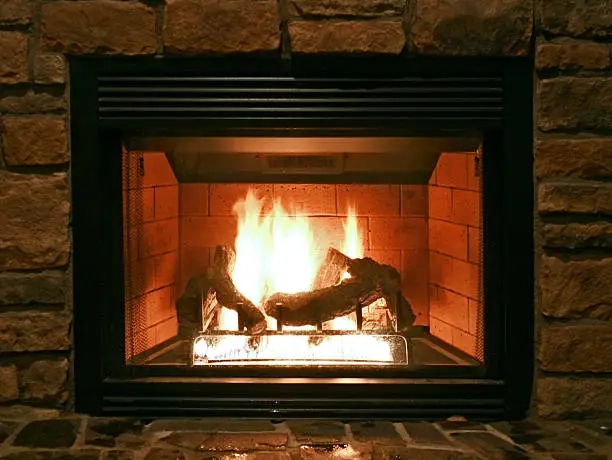
Sizing and BTU Considerations
Accurate sizing ensures safe and effective performance. Measure your firebox height, width, and depth before choosing a set. Select a BTU rating compatible with your room size and your gas fireplace system to achieve the best heat output.
Safety and Installation Tips
Ensuring your gas logs are installed and operated safely is one of the most important steps when preparing your fireplace for winter. Professional installation is strongly recommended, as even minor mistakes with gas connections can lead to leaks, inefficient performance, or serious hazards. A certified technician will confirm that all gas lines are properly sealed, test for leaks, and ensure your system is fully compliant with local Texas building codes.
In addition to proper installation, regular maintenance is essential for both safety and efficiency. Schedule yearly inspections before the heating season to check the condition of gas valves, burners, and venting systems. These inspections can help identify potential issues early, preventing costly repairs and reducing the risk of malfunction during peak usage.
Carbon monoxide safety is another critical consideration, particularly when using ventless gas logs. Install carbon monoxide detectors, test them regularly, and replace batteries as needed. Monitoring CO levels is essential for protecting your family and maintaining a safe living environment.
Keep combustible materials away from the firebox, supervise children and pets around the fireplace, and avoid modifying gas lines or vent systems yourself. By combining professional installation, annual inspections, and careful operation, you can enjoy your fireplace with peace of mind, knowing it is both safe and reliable all winter long.
Conclusion
Choosing the best gas logs for your home means evaluating flame realism, efficiency, styling, and safety. When you understand vented vs ventless gas logs and select the right material, size, and BTU level, you can create a warm and reliable fireplace environment perfect for Texas living.
Contact Darden Building Materials to explore premium gas logs and get expert guidance on choosing the perfect set for your home.